当思想遇见诗歌,当科技遇见人文 ——有感于庞进老师的专题演讲与陈蓉老师朗诵安妮·卡森的《O Small Sad Ecstasy of Love》

|
当思想遇见诗歌,当科技遇见人文——有感于庞进老师的专题演讲与陈蓉老师朗诵安妮·卡森的《O Small Sad Ecstasy of Love》 加拿大共工新闻社讯(文:李燕)思想启迪我们认识世界,诗歌引领我们感受生命;科技拓展人类的创造力,文学守护人类心灵的独特性。 2026第五届全球校友峰会秋季研讨会,为我们带来了一场科技与人文交融、理性与情感共鸣的思想盛宴。
本文作者李燕。GNN发 庞进老师以《诺贝尔文学奖与人工智能前瞻——从安妮·卡森获诺奖说起》为题,深入探讨人工智能时代文学创造的价值与未来;陈蓉老师则在峰会上朗诵了获得2026年诺贝尔文学奖的加拿大诗人、古典文学研究学者和翻译家安妮·卡森(Anne Carson)的诗歌《O Small Sad Ecstasy of Love》,以声音传递诗意,以情感诠释文字。 一位以思想启迪我们,一位以朗诵打动我们。庞进老师的专题演讲引领我们思考文学独创性的意义,陈蓉老师的诗歌朗诵则让我们切身感受文学如何穿越语言,抵达人的内心。 一场峰会,两种表达;一篇演讲,一首诗歌。思想与艺术相互映照,科技与人文彼此呼应,共同呈现了文学在人工智能时代的独特价值。
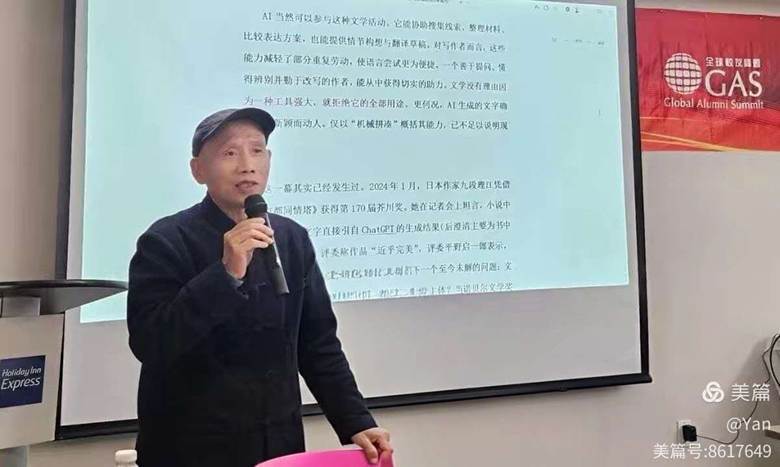
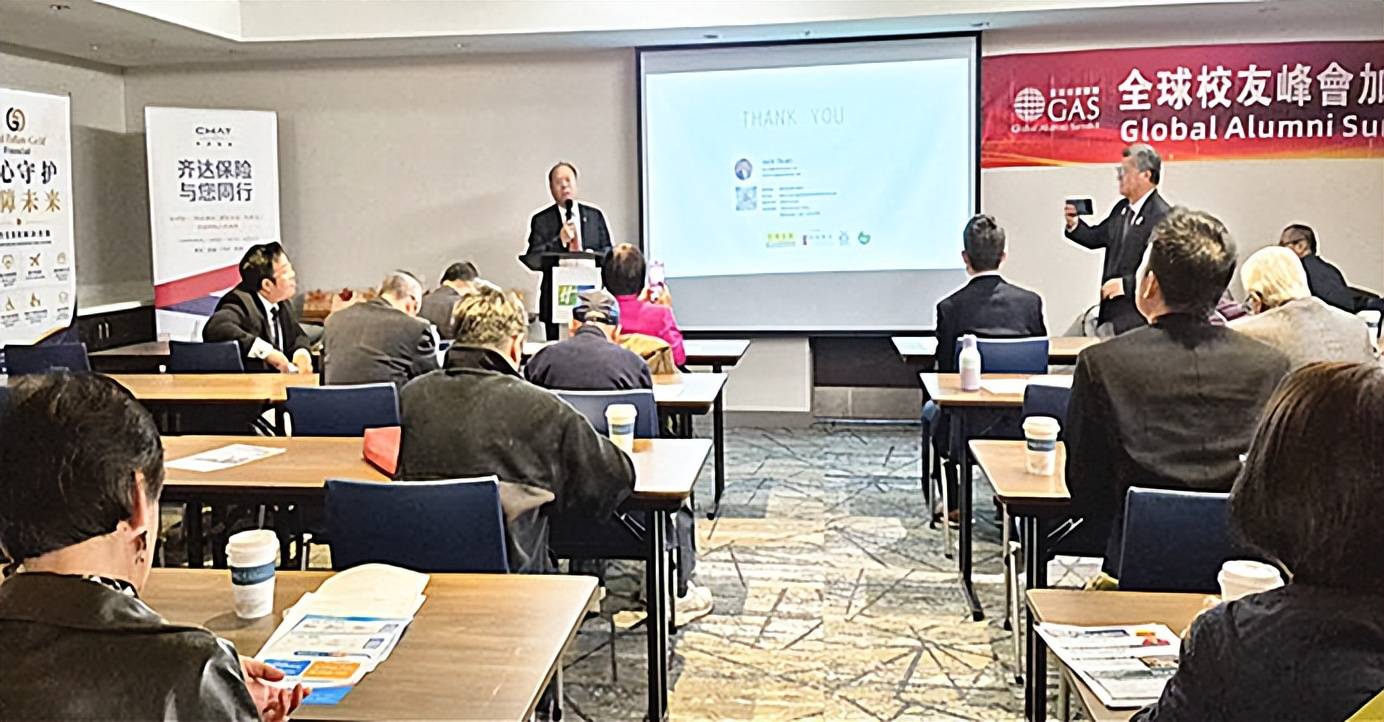
(庞进老师演讲) 一、为什么是安妮·卡森?诺贝尔文学奖对文学独创性的礼赞 根据庞进老师的演讲材料,瑞典学院对卡森作品的评价,特别强调了她大胆而富有创造力的写作,以及她通过与古典传统对话,为当代文学开辟新的形式。 这正是理解卡森获奖意义的重要切入点。 卡森不仅是一位诗人,也是一位具有深厚古典学养的学者和翻译家。她将古典文学知识与个人经验、现代意识和艺术探索融为一体,打破诗歌、散文、戏剧与其他艺术形式之间的传统界限,让古老的文化传统在当代语境中焕发新的生命。 她的独特之处,不仅在于形式新颖,更在于她能够从已有的文化传统中发现新的联系,以自己的方式重新组织语言、经验与思想。 《红的自传》借助古希腊神话展开现代性的文学探索;《丈夫之美》以独特的结构探讨爱情与关系;《夜》则将对亡兄的追忆转化为融合多种材料的记忆档案。 这些作品提醒我们:真正的独创性,并非凭空创造,而是在继承中发现,在理解中突破,在熟悉的事物中看见尚未被充分表达的可能。 这也使庞进老师关于文学独创性的论述显得尤为深刻。 文学的独创性,不只是写出别人没有写过的句子,更是一个具体的人如何理解世界、体验生命,并以不可简单复制的方式表达自己的发现。 诺贝尔文学奖所珍视的,正是这种创造主体的独特贡献。 卡森的获奖让我们看到,文学并非只能沿着既有的形式前进。真正有生命力的创作,既能扎根于深厚的文化传统,也能勇敢地探索未知的表达方式。 她的成就不仅属于个人,也为当代文学的发展提供了启示:传统可以成为创新的源泉,知识可以转化为艺术,而个人的独特声音能够为人类共同的精神世界增添新的维度。 二、人工智能时代,为什么文学独创性更加值得珍视? 庞进老师的专题演讲,将卡森的获奖与人工智能的发展联系起来,提出了一个具有时代意义的问题: 当人工智能能够迅速生成诗歌、小说和评论,作家的价值究竟何在? 今天,AI可以协助搜集资料、梳理思路、比较表达、构思情节,甚至生成形式完整、语言流畅的文学作品。我们没有必要因为技术的进步而否定它的价值,也不能简单地将所有AI生成的文字归结为机械拼凑。 但文字能够被生成,并不意味着文学的全部价值都能由生成能力来衡量。 一部作品的意义,不仅在于它使用了哪些词语、采用了什么结构,更在于这些表达如何形成,如何与创作者的经验发生联系,又如何共同构成作品的思想与艺术价值。 一个作家对世界的观察、对人生的思考、对爱与失去的体验,以及对语言的反复推敲,都会影响其创作选择。 这些经历并不只是作品之外的背景,它们可能直接参与作品意义的形成。 卡森的创作尤其说明,真正的文学探索不应满足于熟悉、流畅和容易被接受的表达。她不断突破文体边界,在古典传统与现代经验之间建立新的联系,让读者重新思考语言可以怎样表达、文学可以怎样存在。 人工智能可以成为创作的助手,却不应成为创作者放弃独立思考的理由。 技术可以拓展创造的边界,而人的经验、判断与艺术追求,赋予创造以方向、深度和意义。 这也是卡森获奖与庞进老师演讲相互呼应之处:在文字越来越容易生成的时代,我们更需要珍视真正有思想、有个性、有探索精神的创作。 三、陈蓉老师的诗歌朗诵:让安妮·卡森的文字获得现场的生命 如果说庞进老师的专题演讲帮助我们从理性层面理解文学独创性的意义,那么陈蓉老师对《O Small Sad Ecstasy of Love》的朗诵,则让我们通过声音与情感,走进卡森诗歌的内心世界。
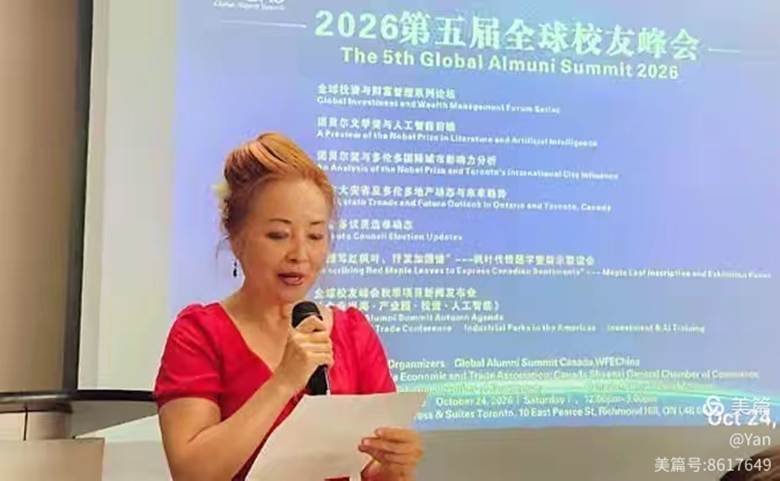
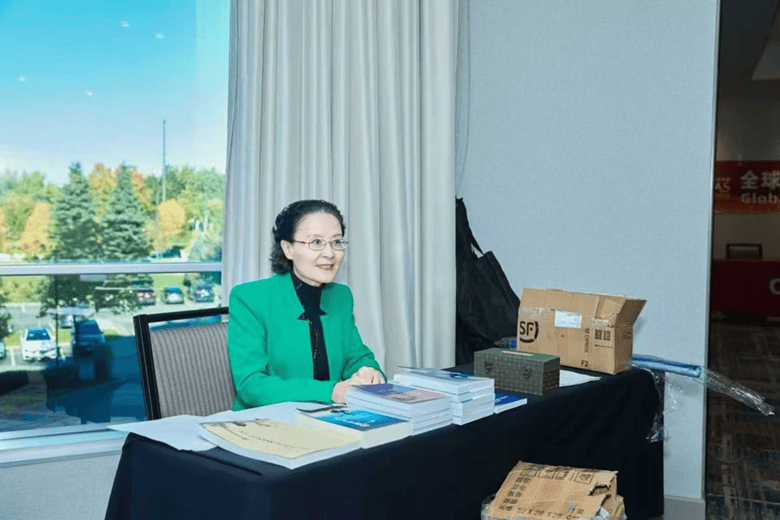
(陈蓉老师朗诵) 诗的全文如下: O Small Sad Ecstasy of Love Anne Carson I like being with you all night with closed eyes. What luck—here you are coming along the stars! I did a road trip all over my mind and heart and there you were kneeling by the roadside with your little toolkit fixing something. Give me a world, you have taken the world I was. 这首诗发表于美国诗人学会(Academy of American Poets)的 Poem-a-Day 栏目,日期为2020年12月10日。 链接: https://poets.org/poem/o-small-sad-ecstasy-love?utm_source=chatgpt.com 诗歌写在纸上,是语言的艺术;诗歌通过朗诵进入现场,则成为声音、节奏、情感与听众共同参与的艺术体验。 陈蓉老师朗诵这首诗的价值,不仅在于将一首加拿大诗人的作品带到全球校友峰会的现场,更在于通过自己的理解与表达,让诗歌所蕴含的情感张力有机会被更多人听见、感受和思考。 《O Small Sad Ecstasy of Love》篇幅短小,却具有耐人寻味的情感层次。 诗题中的几个关键词——Small、Sad、Ecstasy、Love——仿佛构成了一组彼此牵引的力量:微小与狂喜相遇,忧伤与爱并存。 诗人没有用宏大的叙事描写爱情,而是从一个亲密的日常瞬间开始: “I like being with you all night with closed eyes.” 我喜欢整夜闭着眼睛与你相伴。 这是一个安静而亲密的画面。它没有夸张的言辞,却传递出一种陪伴所带来的安宁与信任。 接着,诗人写道: “What luck—here you are coming along the stars!” 多么幸运,你沿着星辰而来! 一个人的出现,由此超越了日常相遇的尺度,仿佛成为穿越星空而来的奇迹。 然而,卡森并未停留在浪漫的想象中。她将视线转向自己的思想与内心: “I did a road trip all over my mind and heart” 我在自己的思想与心灵中,进行了一场旅行。 这场旅程没有发生在遥远的地理空间,而是发生在人的内心深处。 我们在探索自己时,会遇见记忆、愿望、疑问与脆弱,也会重新发现那些对自己意义非凡的人。 随后,诗人呈现出一个令人会心的画面: “and there you were kneeling by the roadside with your little toolkit fixing something.” 在那里,你跪在路边,拿着小小的工具箱,正在修理什么。 这是全诗一个非常独特的意象。 爱情在这里不再只是浪漫的幻想或热烈的宣言,而呈现出一种朴素的姿态:陪伴、照料,以及试图修补某些东西的耐心。 那个重要的人,仿佛出现在我们探索内心的道路上,没有高大的姿态,也没有承诺解决一切问题,只是带着小小的工具箱,安静地修理着什么。 这个画面看似微小,却蕴含着一种深刻的人生意味:有些关系之所以珍贵,不是因为它们使生活从此完美,而是因为它们让我们在面对不完整时,不再感到孤单。 而陈蓉老师的朗诵,让我们有机会在声音中体会这种微妙的情感层次。 优秀的朗诵,不是简单地把诗句读出来,而是通过语气、节奏、停顿和情感的变化,让文字的内在张力逐渐显现。 同一首诗,在不同人的朗诵中,可以产生不同的感受。朗诵者的理解与表达,为作品带来新的现场体验;听众的人生经历,则赋予诗歌进一步延伸的空间。 因此,陈蓉老师的朗诵不仅是对一首诗的艺术呈现,也是一次文学与听众之间的心灵交流。
(2026第五届全球校友峰会秋季会议会场) 四、一句诗的力量:爱带来一个世界,也改变原来的自己 整首诗最值得反复品味的,是最后两句: “Give me a world, you have taken the world I was.” 给我一个世界吧,你却已经拿走了我原本的那个世界。 这句话简短,却具有令人回味的张力。 为什么一方面请求对方给予一个世界,另一方面又说对方已经拿走了自己原有的世界? 因为真正重要的关系,往往既带来获得,也带来改变。 当一个人进入我们的生命,我们看待世界的方式可能发生变化。原有的习惯、期待、观念与生活秩序,也可能因此被重新调整。 我们获得了新的感受、新的理解与新的可能,却也不再完全是那个尚未遇见对方时的自己。 这句话并不必然意味着爱是一种剥夺。它也可以被理解为:爱具有改变人的力量,而真正的改变往往意味着告别某种旧有的自我。 这正是诗歌最动人的地方。 它没有把爱情简化为幸福,也没有把忧伤解释为不幸,而是让两种情感同时存在,让读者在获得与失去、亲密与变化之间体会生命的复杂性。 从这个角度看,这首诗不仅是在写爱情,也是在写人与人之间的相遇如何改变一个人的内心世界。 它提醒我们,人生中的某些相遇之所以重要,不只是因为对方带来了什么,更因为从那一刻开始,我们对自己和世界的理解都发生了变化。 爱不仅可以给予我们一个新的世界,也可能让我们重新认识那个曾经的自己。 而文学的力量,正是把这种难以用简单道理说明的体验,凝练成可以被阅读、朗诵、思考和分享的语言。 五、为什么这首诗在全球校友峰会上被朗诵,具有特别的价值? 全球校友峰会汇聚来自不同领域、不同文化背景的人才。它不仅是交流知识与经验的平台,也可以成为文学艺术跨越专业界限、促进心灵沟通的空间。 庞进老师的专题演讲,从文学与人工智能的关系出发,引导我们思考创造的本质。 陈蓉老师的朗诵,则让这种思考落到具体的艺术体验中。 一个从思想层面提出问题,一个从情感层面带来回应;一个帮助我们理解文学的独创性,一个让我们感受文学如何触及人的内心。 两者相互映照,使这场峰会不只是知识的交流,也成为一次人文精神的分享。 这首诗尤其适合在国际交流场合呈现,因为它不依赖复杂的背景知识,也不要求所有听众拥有相同的生活经历。 不同国家、不同语言、不同文化背景的人,可能对爱情有不同的理解,却都可能从中感受到陪伴、改变、失去与成长。 诗歌为这些共同的人类经验提供了一个交流的起点。 当陈蓉老师在全球校友峰会上朗诵卡森的诗歌时,这首作品便从书页进入公共空间,从个人阅读走向共同聆听。 它让加拿大文学在国际舞台上获得新的传播机会,也让来自不同背景的听众通过同一首诗,找到彼此可以理解的情感。 这份价值可以从三个方面来认识。 第一,文化价值。 陈蓉老师的朗诵让加拿大诗人的作品进入全球校友的共同视野,促进当代文学在跨文化交流中的传播与理解。 第二,教育价值。 诗歌帮助我们培养对语言的敏感、对情感的理解,以及从不同角度看待人生的能力。真正的人文教育,不仅让人获得知识,也让人更善于倾听、感受与理解。 第三,时代价值。 当人工智能可以生成大量文字时,真实的人声、独立的理解与现场的情感交流,让我们再次认识到文学传播不仅是文字的传递,也是人与人之间意义的共同建构。 陈蓉老师的朗诵,让一首诗不仅被看见,更被听见;不仅被阅读,更有机会被感受;不仅属于诗人,也进入了全球峰会参与者共同构成的文化记忆。 这正是这次朗诵令人珍视的地方。
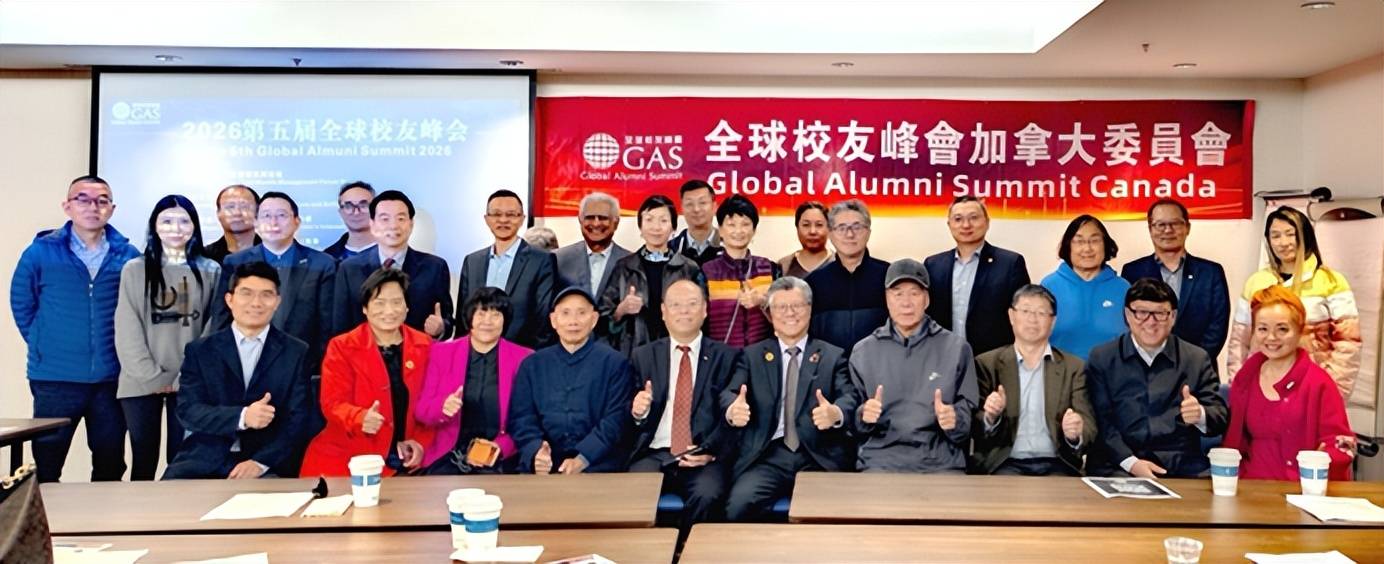
(2026第五届全球校友峰会秋季会议部分代表合影) 六、从庞进老师的演讲到陈蓉老师的朗诵:让科技有力量,让文学有温度 庞进老师的专题演讲与陈蓉老师的诗歌朗诵,一理一情,一论一诗,共同呈现了此次全球校友峰会的一个重要主题:在人工智能迅速发展的时代,我们不仅要关注技术能够做到什么,也要思考人类希望借助技术创造怎样的未来。 人工智能能够拓展知识获取与文字表达的边界,但人类仍然需要独立思考、审美判断、真实体验与情感交流。 技术让我们拥有更多表达的工具,文学则帮助我们理解表达的意义。 技术可以提高效率,文学提醒我们不要遗忘生命的复杂性;技术可以连接世界,诗歌帮助我们走近彼此的内心。 卡森的获奖,让我们重新认识文学独创性的价值;她的诗歌,让我们感受到语言承载复杂情感的力量;陈蓉老师的朗诵,则让这份力量在全球校友峰会的现场得到具体呈现。 庞进老师的思想启迪与陈蓉老师的艺术表达,共同构成了这次峰会值得珍藏的人文亮点。 一篇演讲,让我们思考文学的未来;一首诗歌,让我们感受生命的深度;一次朗诵,让思想与情感在现场相遇。 由此,我更加相信: 人工智能越是发展,我们越需要珍视人的独创性;世界越是紧密相连,我们越需要文学所带来的理解与共鸣。 愿科技拓展人类的能力,愿文学丰富人类的心灵;愿人工智能帮助我们探索更多可能,愿诗歌帮助我们理解生命的深度。 愿我们在追求创新与效率的同时,始终保有感受美的能力、理解他人的胸怀,以及表达真实自我的勇气。 诺贝尔文学奖让我们看见独创性的光芒,庞进老师的演讲让我们思考人工智能时代文学的未来,陈蓉老师的朗诵则让我们亲身感受诗歌跨越语言、文化与心灵的力量。 这正是2026第五届全球校友峰会秋季研讨会带给我们的珍贵启示: 以思想启迪未来,以诗歌连接心灵,以科技拓展可能,以人文守护创造的初心。 李燕 2026年11月 美篇链接: https://www.meipian.cn/5qqui0mk?share_depth=1&first_share_uid=8617649&first_share_to=copy_link
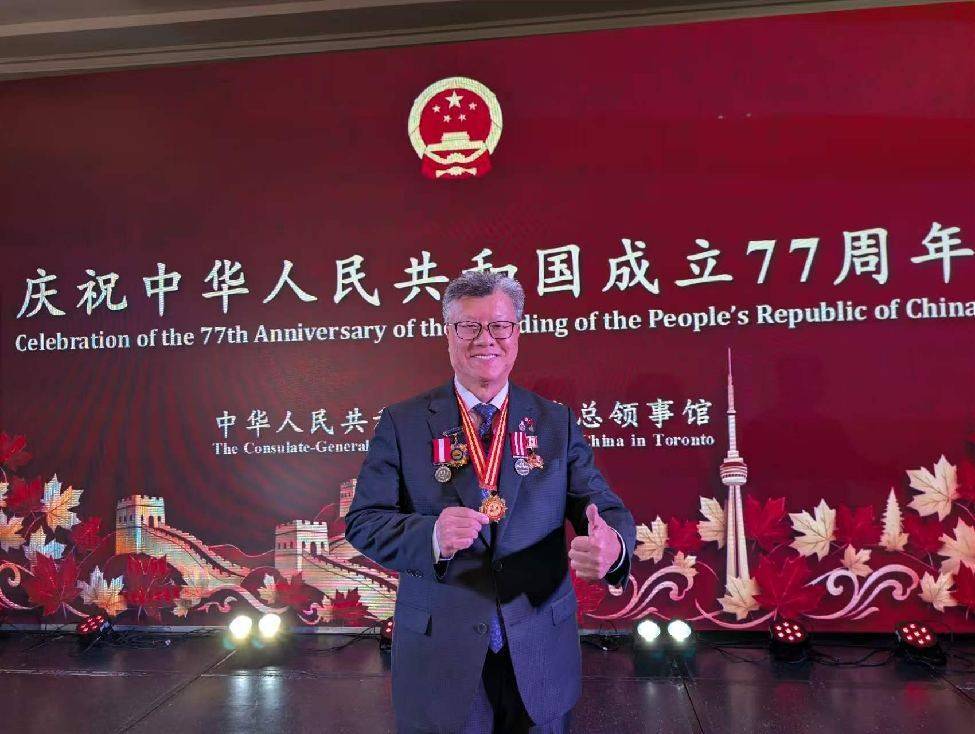
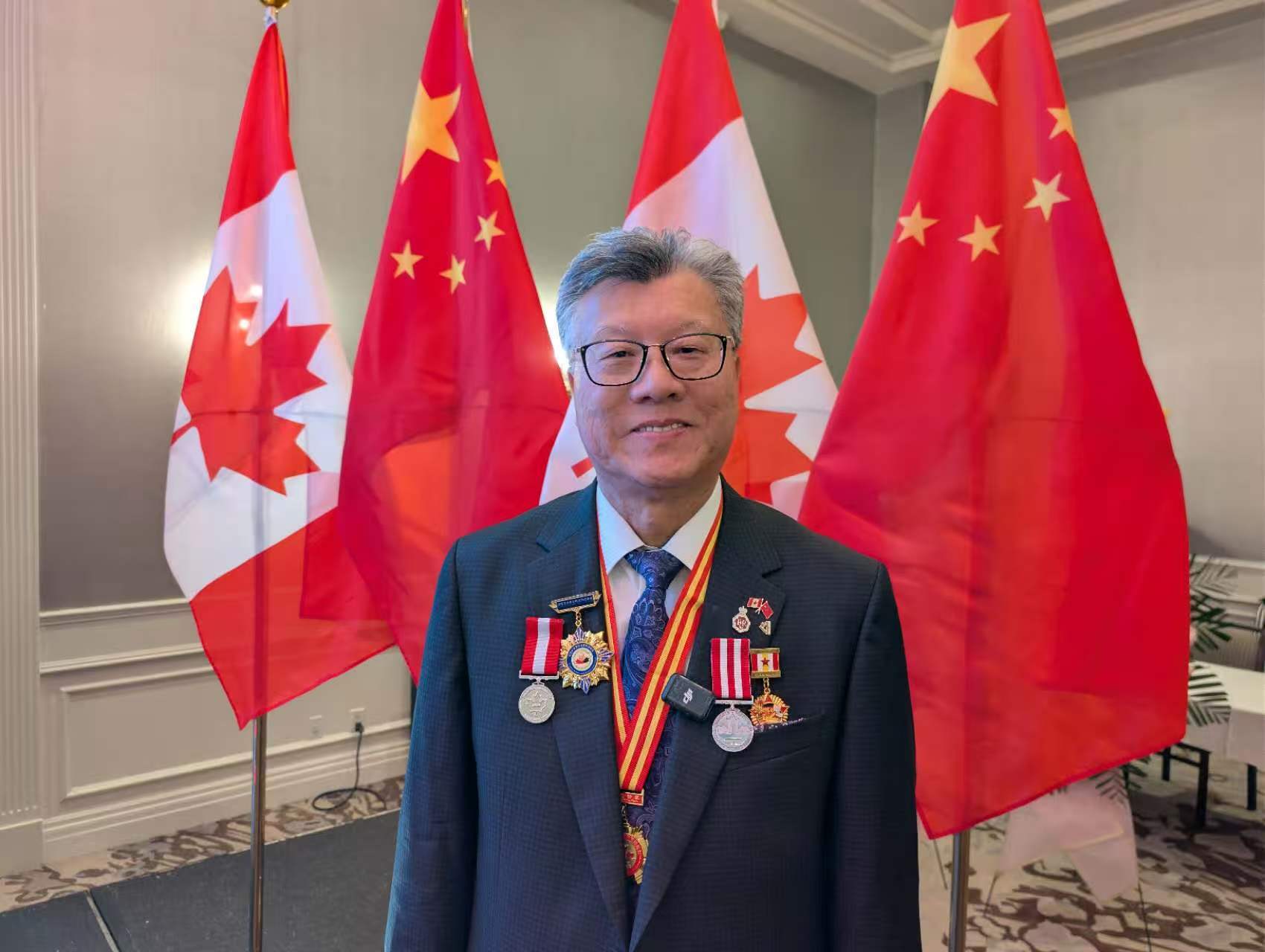
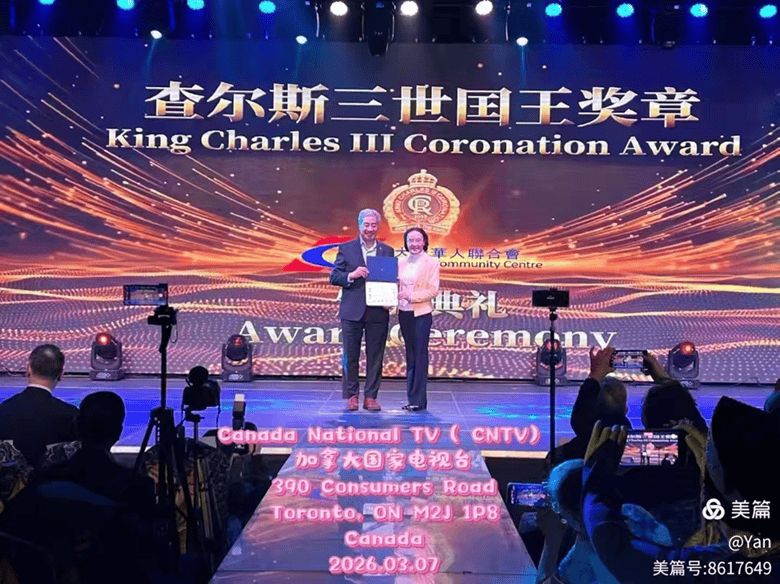
(本文作者李燕荣获查尔斯三世国王奖章) 以下是英文版文稿(English Version): When Thought Meets Poetry and Technology Meets the Humanities — Reflections on the Fifth Global Alumni Summit, Fall 2026 When Thought Meets Poetry and Technology Meets the Humanities Reflections on Professor Pang Jin’s Keynote and Chen Rong’s Recitation of Anne Carson’s O Small Sad Ecstasy of Love Thought helps us understand the world; poetry invites us to experience life. Technology expands human creativity; literature safeguards the uniqueness of the human spirit. The Fall 2026 Symposium of the Fifth Global Alumni Summit offered a meaningful encounter between technology and the humanities, bringing intellectual inquiry into dialogue with emotion and artistic expression. Professor Pang Jin delivered a keynote entitled The Nobel Prize in Literature and the Future of Artificial Intelligence: Reflections on Anne Carson’s Nobel Recognition, exploring the value and future of literary creativity in the age of artificial intelligence. At the summit, Chen Rong recited O Small Sad Ecstasy of Love by Anne Carson, the Canadian poet, classicist, and translator. Through her voice and interpretation, she brought the poem’s language and emotional subtleties into the shared experience of the gathering. One speaker inspired thought; one reciter conveyed poetic feeling. Professor Pang’s keynote encouraged us to reflect on literary originality, while Chen Rong’s recitation allowed us to experience how literature can cross linguistic boundaries and reach the human heart. One summit, two forms of expression: a keynote and a poem. Thought and art illuminated one another, while technology and the humanities came together to reveal the distinctive value of literature in the age of AI. 1. Why Anne Carson? The Nobel Prize as a Celebration of Literary Originality According to the material presented in Professor Pang’s keynote, the Swedish Academy’s assessment of Carson emphasized her bold creativity and her ability to create new forms for contemporary literature through a dialogue with classical traditions. This provides an important starting point for understanding the significance of her recognition. Carson is not only a poet but also a scholar and translator with a profound grounding in classical literature. She brings classical knowledge into conversation with personal experience, modern consciousness, and artistic experimentation. By crossing the traditional boundaries between poetry, prose, drama, and other art forms, she gives ancient cultural traditions new life in contemporary contexts. Her originality lies not merely in the novelty of her forms, but in her ability to discover new relationships among inherited traditions, language, experience, and thought. Autobiography of Red draws on Greek mythology to explore modern experience through an innovative literary form. The Beauty of the Husband examines love and relationships through an unconventional structure. Nox transforms the remembrance of her late brother into a distinctive archive of memory. These works remind us that originality does not require creation from nothing. It emerges through inheritance and discovery, understanding and transformation, and the recognition of possibilities that familiar forms may have left unexplored. This is also why Professor Pang’s discussion of literary originality is so significant. Literary originality is not simply the ability to write sentences that no one has written before. It is the ability of a particular individual to understand the world, experience life, and express those discoveries in a distinctive way that cannot be easily replicated. The Nobel Prize in Literature recognizes this unique contribution of the creative individual. Carson’s recognition demonstrates that literature need not remain confined to established forms. Vital literary creation can be deeply rooted in cultural tradition while courageously exploring unfamiliar modes of expression. Her achievement offers a wider lesson for contemporary literature: tradition can be a source of innovation, knowledge can become art, and an individual voice can add new dimensions to humanity’s shared inner world.
2. Why Is Literary Originality Even More Important in the Age of AI? Professor Pang’s keynote connected Carson’s achievement with the development of artificial intelligence, raising a question of particular importance today: When AI can rapidly generate poetry, fiction, and criticism, what remains distinctive about a writer’s contribution? AI can assist with research, organize ideas, compare expressions, develop plots, and generate literary works that appear coherent and fluent. We need not reject its value simply because it is a technological tool, nor should we dismiss all AI-generated writing as mechanical imitation. Yet the ability to generate words does not mean that every dimension of literary value can be measured by generative capability. The significance of a work lies not only in its vocabulary or structure, but also in how its expressions come into being, how they relate to the creator’s experience, and how they contribute to the work’s intellectual and artistic meaning. A writer’s observations of the world, reflections on life, experiences of love and loss, and sustained engagement with language all influence creative choices. These experiences are not merely background information outside the work. They can become part of the way the work acquires meaning. Carson’s writing demonstrates why literary exploration must go beyond familiar, fluent, and readily accepted forms. Her work crosses conventional boundaries and discovers new relationships between classical traditions and contemporary experience, encouraging readers to reconsider what language and literature can become. Artificial intelligence can assist the creative process, but it should not become a reason for creators to abandon independent thought. Technology can expand the boundaries of creativity, while human experience, judgment, and artistic ambition give creative work its direction, depth, and meaning. This is where Carson’s Nobel recognition and Professor Pang’s keynote reinforce one another. In an age when words can be generated with increasing ease, we have even greater reason to value works distinguished by intellectual depth, individual character, and a willingness to explore the unfamiliar. 3. Chen Rong’s Recitation: Bringing Anne Carson’s Words to Life If Professor Pang’s keynote helped us understand the significance of literary originality intellectually, Chen Rong’s recitation of O Small Sad Ecstasy of Love allowed us to enter Carson’s poetic world through voice and emotion. The full text of the poem is as follows: “O Small Sad Ecstasy of Love” Anne Carson I like being with you all night with closed eyes. What luck—here you are coming along the stars! I did a road trip all over my mind and heart and there you were kneeling by the roadside with your little toolkit fixing something. Give me a world, you have taken the world I was. This poem was published in the Poem-a-Day series by the Academy of American Poets on December 10, 2020. Link to the poem: 链接: https://poets.org/poem/o-small-sad-ecstasy-love?utm_source=chatgpt.com
On the page, poetry is an art of language. Through live recitation, it becomes an experience shaped by voice, rhythm, emotion, and the participation of listeners. The value of Chen Rong’s recitation lies not only in bringing a Canadian poet’s work to the Global Alumni Summit, but also in creating an opportunity for the poem’s emotional tensions to be heard, felt, and explored through personal interpretation. Although brief, O Small Sad Ecstasy of Love contains several layers of emotional complexity. The title brings together four suggestive words: Small, Sad, Ecstasy, and Love. They create a tension in which smallness meets rapture, while sorrow coexists with love. Rather than presenting love through a grand narrative, the poem begins with an intimate everyday moment: “I like being with you all night with closed eyes.” It is a quiet, intimate image. There is no exaggerated declaration, yet the line conveys the comfort and trust that can emerge from companionship. The poem continues: “What luck—here you are coming along the stars!” The arrival of another person expands beyond the scale of an ordinary encounter, becoming almost a miracle traveling across the stars. Yet Carson does not remain within romantic fantasy. She turns toward the landscape of the mind and heart: “I did a road trip all over my mind and heart” The journey takes place not across distant geography, but within the depths of the self. As we explore our inner lives, we encounter memories, desires, questions, and vulnerabilities. We may also rediscover the people who matter most to us. Then comes an unexpectedly tender image: “and there you were kneeling by the roadside with your little toolkit fixing something.” This is one of the poem’s most distinctive images. Love is no longer merely romantic fantasy or passionate declaration. It appears in a humble form: companionship, care, and the patient attempt to repair something. The person who matters is present along the road of our inner journey, without grand gestures or promises to solve every problem, quietly working with a small toolkit. The image seems modest, yet it carries a profound human meaning. Some relationships are precious not because they make life perfect, but because they help us feel less alone in the face of imperfection. Through her recitation, Chen Rong gave listeners an opportunity to experience these subtle emotional layers through sound. Excellent recitation does more than pronounce words. Through changes in tone, rhythm, pauses, and emotional emphasis, it reveals the inner tensions of a poem. The same poem may evoke different responses when recited by different people. The reciter’s interpretation creates a new experience in the moment, while the audience’s life experiences open further possibilities of meaning. Chen Rong’s performance was therefore not merely an artistic presentation of a poem. It was an encounter between literature and the human heart.
4. The Power of One Poetic Line: Love Gives Us a World and Changes Who We Are The poem’s most memorable lines are its conclusion: “Give me a world, you have taken the world I was.” The statement is brief, yet its emotional tension invites repeated reflection. Why ask another person to give us a world while acknowledging that this person has already taken away the world we once inhabited? Because meaningful relationships often involve both gain and transformation. When someone enters our life, our way of seeing the world may change. Our habits, expectations, assumptions, and established routines may be reshaped. We gain new feelings, new understanding, and new possibilities, yet we may no longer be exactly the person we were before the encounter. This does not necessarily mean that love is a form of deprivation. It can also suggest that love has the power to transform us, and that genuine transformation often involves leaving behind an earlier version of ourselves. This is part of the poem’s emotional power. It does not reduce love to happiness or interpret sorrow as simple misfortune. Instead, it allows both emotions to coexist, inviting readers to experience the complexity of life through the tension between gain and loss, intimacy and change. From this perspective, the poem is not only about romantic love. It is also about how encounters between people can transform their inner worlds. Some encounters matter not merely because of what another person brings into our lives, but because, from that moment onward, our understanding of ourselves and the world begins to change. Love can give us a new world while leading us to rediscover who we once were. The power of literature lies in its ability to condense such difficult experiences into language that can be read, recited, contemplated, and shared.
5. Why Does This Poem Matter at a Global Alumni Summit? The Global Alumni Summit brings together people from different disciplines and cultural backgrounds. It is not only a platform for exchanging knowledge and experience, but also a space where literature and the arts can cross professional boundaries and foster human connection. Professor Pang’s keynote began with the relationship between literature and artificial intelligence, inviting us to reflect on the nature of creativity. Chen Rong’s recitation brought those questions into the realm of artistic experience. One approached the subject through intellectual inquiry; the other offered an emotional response. One helped us understand literary originality, while the other demonstrated how literature can reach the human heart. Together, they ensured that the summit became not only an exchange of knowledge, but also a sharing of humanistic values. The poem is particularly suitable for an international gathering because it does not require extensive background knowledge or identical life experiences. People from different countries, languages, and cultures may understand love differently, yet they may all recognize companionship, transformation, loss, and growth. Poetry provides a starting point for sharing these common human experiences. When Chen Rong recited Carson’s poem at the Global Alumni Summit, the work moved from the page into a public space, from private reading into shared listening. The performance created an opportunity for Canadian literature to reach an international audience and for listeners from different backgrounds to discover emotional experiences they could understand together. Its significance can be understood in three ways. First, cultural value. Chen Rong’s recitation brought the work of a Canadian poet into the shared experience of a global alumni community, supporting the circulation and appreciation of contemporary literature across cultures. Second, educational value. Poetry cultivates sensitivity to language, emotional understanding, and the ability to consider life from different perspectives. Genuine humanistic education does more than impart knowledge; it teaches us to listen, feel, and understand. Third, contemporary value. At a time when AI can generate vast quantities of text, a real human voice, an individual interpretation, and a shared emotional experience remind us that literary communication is not simply the transmission of words. It is also the creation of meaning between people. Through Chen Rong’s recitation, the poem was not merely seen on a page; it was heard. It was not merely read; it could be felt. It no longer belonged only to the poet, but also entered the shared cultural memory of the summit’s participants. That is what makes this performance worth cherishing. 6. From Professor Pang’s Keynote to Chen Rong’s Recitation: Technology with Power, Literature with Warmth Professor Pang’s keynote and Chen Rong’s poetry recitation—one intellectual, the other emotional; one analytical, the other artistic—together expressed an important theme of the Global Alumni Summit. In an age of rapid AI development, we must consider not only what technology can do, but also what kind of future humanity hopes to create with it. Artificial intelligence can expand the boundaries of knowledge and expression. Human beings, however, still need independent thought, aesthetic judgment, lived experience, and genuine emotional communication. Technology gives us more tools for expression; literature helps us understand why expression matters. Technology can increase efficiency, while literature reminds us not to forget the complexity of life. Technology can connect the world, while poetry helps us approach one another’s inner lives. Carson’s Nobel recognition renews our appreciation of literary originality. Her poem demonstrates the power of language to carry complex emotions. Chen Rong’s recitation brought that power into a tangible experience at the Global Alumni Summit. Professor Pang’s intellectual insights and Chen Rong’s artistic interpretation together created one of the summit’s memorable humanistic moments. A keynote invited us to reflect on the future of literature. A poem allowed us to experience the depth of life. A recitation brought thought and emotion together in the present moment. I am increasingly convinced that: The more artificial intelligence advances, the more important it becomes to cherish human originality. The more closely connected the world becomes, the more we need the understanding and resonance that literature can offer. May technology expand human capabilities, and may literature enrich the human spirit. May artificial intelligence help us explore new possibilities, and may poetry help us understand the depth of life. May we continue to pursue innovation and efficiency without losing our capacity to appreciate beauty, understand others, and express our authentic selves. The Nobel Prize in Literature illuminates the value of originality. Professor Pang’s keynote invites us to reflect on the future of literature in the age of AI. Chen Rong’s recitation allows us to experience the power of poetry to cross linguistic, cultural, and emotional boundaries. This is one of the enduring lessons of the Fall 2026 Symposium of the Fifth Global Alumni Summit: Let thought inspire the future, let poetry connect hearts, let technology expand possibilities, and let the humanities safeguard the human spirit of creativity. Yan Li November 2026 Link to the article on Meipian: https://www.meipian.cn/5qqui0mk?share_depth=1&first_share_uid=8617649&first_share_to=copy_link
作者简介: 李燕,加拿大安省永久注册教师,加拿大安省教师协会会员。加拿大中文作家协会理事。英文翻译,图书编辑,图书作者,保险顾问,神经语言程式学执行师。总统大奖获得者。钻石大奖获得者。查尔斯三世国王奖章获得者。主编、责编、翻译、写作教育类、文学类、旅游类图书达300多种。现定居加拿大多伦多。 About the Author Yan Li is a permanently certified teacher in Ontario, Canada, and a member of the Ontario College of Teachers (OCT). She serves as a board member of the Chinese Writers Society of Canada and works as an English translator, book editor, author, insurance advisor, and Neuro-Linguistic Programming (NLP) Practitioner. She is the recipient of the President’s Award, the Diamond Award, and the King Charles III Coronation Medal in recognition of her professional achievements and community contributions. As a chief editor, managing editor, translator, and author, she has contributed to the publication of more than 300 books spanning education, literature, and travel. She currently resides in Toronto, Canada.
责任编辑:加拿大共工社 |


声明:
本文由入驻共工号平台的作者撰写,观点仅代表作者本人,不代表共工号立场。仅供读者参考,并不构成投资建议。投资者据此操作,风险自担。同时提醒网友提高风险意识,请勿私下汇款给自媒体作者,避免造成金钱损失,风险自负。如有文章和图片作品版权及其他问题,请联系本站。邮箱:zhidaoribao@gmail.com