诺奖荣光照亮城市,人才智慧成就未来——读孙瑞祥教授《诺贝尔奖与多伦多国际城市影响力分析》专题演讲有感

|
诺奖荣光照亮城市,人才智慧成就未来——读孙瑞祥教授《诺贝尔奖与多伦多国际城市影响力分析》专题演讲有感 加拿大共工社讯(文:李 燕)
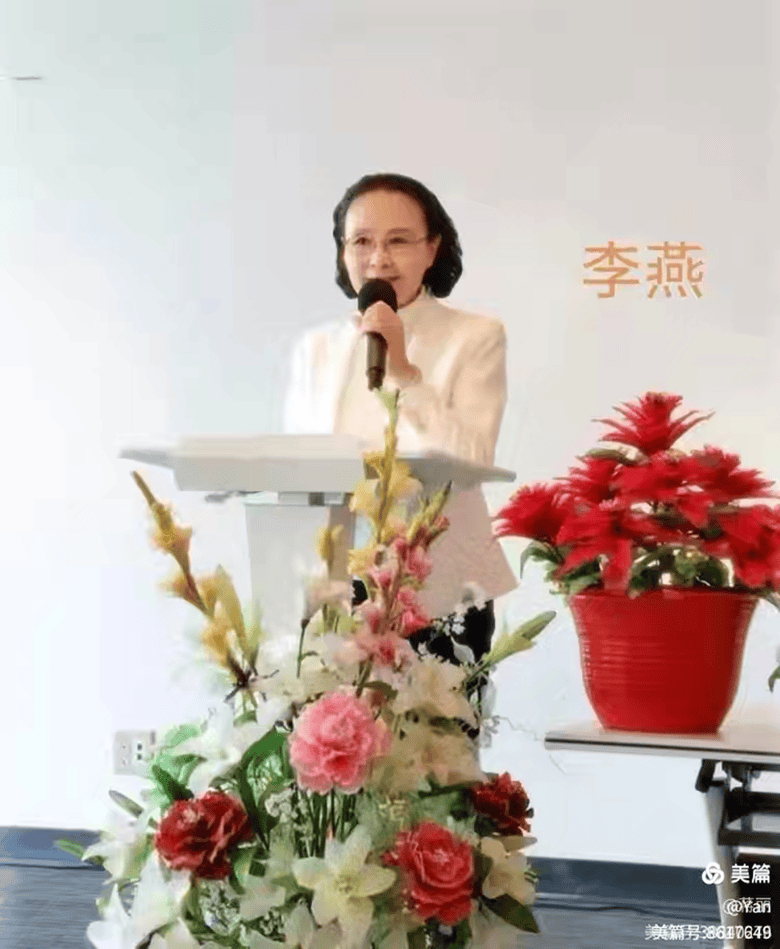
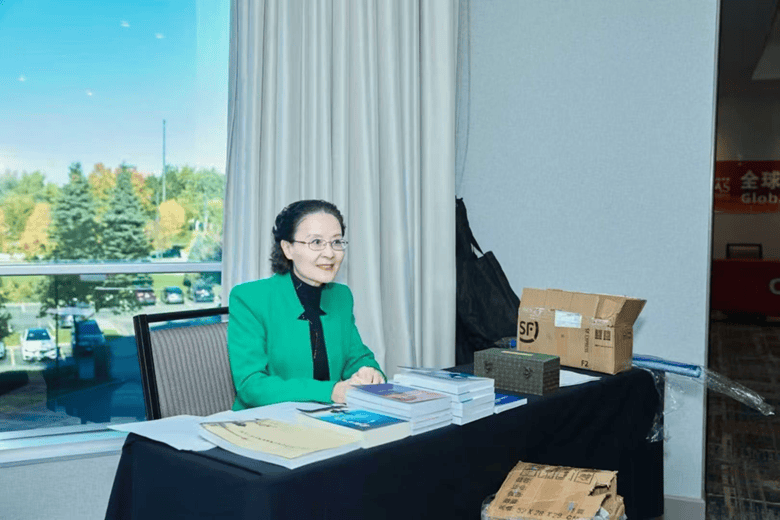
(本文作者李燕) 孙瑞祥教授于2026年10月24日在2026第五届全球校友峰会秋季会议上发表了专题演讲《诺贝尔奖与多伦多国际城市影响力分析》。 读了孙瑞祥教授在2026第五届全球校友峰会秋季会议上发表的专题演讲《诺贝尔奖与多伦多国际城市影响力分析》,深受启发,也有许多感慨。 孙教授以深厚的学术积累、开阔的国际视野和深入浅出的分析,将诺贝尔奖、人才培养、科技创新、文学成就与城市发展联系起来,让我们重新认识诺贝尔奖的意义:它不仅是授予杰出个人的世界级荣誉,也是一面映照城市文化底蕴、教育实力、创新能力和国际影响力的镜子。
链接: https://www.chinanews.org/m/view.php?aid=30212 http://canada.gonggongnews.com/news/20261030/d491eed60a999e7de4514eb74a6f0860.shtml
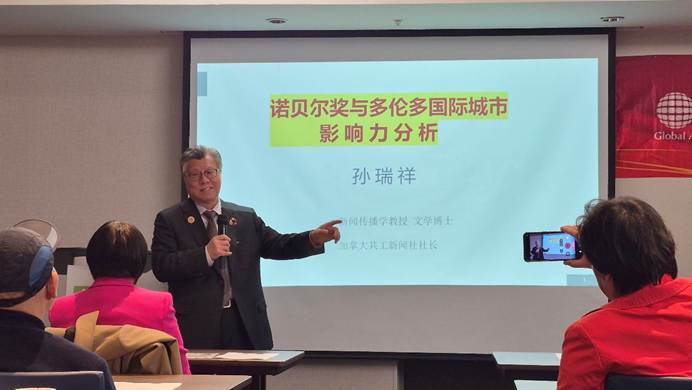
(孙瑞祥教授专题演讲) 一、诺奖得主不仅属于个人,更是城市宝贵的无形资产 一位诺贝尔奖得主的价值,远远不止于一枚奖章、一份荣誉或一个闪耀世界的名字。他们的研究成果、思想创造和学术精神,能够跨越国界与时代,持续影响人类社会的发展;而他们与一座城市之间的联系,也会让这座城市获得超越地理边界的国际关注。 他们是城市的荣誉,是城市的文化名片,也是城市吸引人才、汇聚智慧、推动创新的重要资源。 这种影响力有时是直接的:科研成果推动技术进步,文学作品丰富人类精神世界,创新思想催生新的研究方向与产业机会。有时则是间接而深远的:他们的名字吸引世界关注,他们的经历激励年轻人探索未知,他们的成就让更多人开始认识一座城市、了解一座城市,进而愿意来到这里学习、工作、研究和生活。 因此,诺奖得主可以被视为城市的一种特殊无形资产。它的价值无法简单用金钱衡量,却能够在学术声誉、人才吸引、文化传播和创新发展中持续释放。 有形的建筑构成城市的轮廓,无形的智慧塑造城市的高度;一座城市的国际影响力,不仅写在高楼大厦之间,也写在那些为人类创造知识、思想与文化价值的人物身上。 二、诺奖得主与城市之间,是相互成就、彼此增辉的关系 孙教授在演讲中提出,城市为诺奖得主的成长提供学术土壤与文化环境,而诺奖得主又为城市带来声誉、关注与发展机遇。这一观点尤其值得深思。 杰出人才的成长,往往离不开长期积累的教育资源、开放包容的学术环境、不同思想的交流碰撞,以及允许人们探索未知、挑战既有认识的社会氛围。 一座城市能够吸引什么样的人才,在一定程度上反映了它所拥有的发展环境;而这些人才又会反过来推动城市进步,形成新的知识、技术、文化与产业资源。 这是一种良性循环: 城市以开放包容的环境吸引人才,以教育和科研培育人才,以创新平台成就人才;人才则以卓越的成果提升城市的知名度、美誉度和创新能力,再吸引更多优秀的人才汇聚于此。 多伦多与诺贝尔奖之间的联系,正可以从这一角度加以理解。 优秀的人才成就一座城市的声誉,优秀的城市环境成就更多人才;城市与人才相互滋养、彼此成就,才能形成持久而有生命力的发展优势。 这也提醒我们,城市的发展不能只关注高楼建设、商业繁荣和人口增长,更要重视那些不容易被看见、却决定城市长远竞争力的基础:教育、科研、文化、思想自由、人才培养和创新生态。 三、从辛顿到卡森,诺奖荣光展现多伦多科学与人文交融的城市气质 孙教授的演讲有一个特别值得关注的亮点:他不仅讨论科学领域的诺贝尔奖,也把文学等人文领域的成就纳入城市影响力的分析。 杰弗里·辛顿与人工智能研究的联系,使人们更加关注多伦多在机器学习和人工智能发展中的学术积累;安妮·卡森获得诺贝尔文学奖,则从另一个维度展现了多伦多与文学创作、古典学术及人文思想之间的深厚联系。 一个代表科学探索与技术创新,一个代表文学创造与人文精神。两者共同提示我们:一座真正具有国际影响力的城市,不应只有科技的速度,也应有人文的深度;不仅要有创造财富的能力,也要有丰富精神世界、理解人类经验的文化力量。 科学帮助人类认识世界、改变世界,文学帮助人类理解自己、理解他人。科学与人文并不是彼此分离的两条道路,而是共同构成人类文明向前发展的重要力量。 多伦多的城市特质,恰恰可以从这种多元与包容中得到理解。来自不同国家、不同文化背景的人们,在这里学习、研究、创作和生活;不同的知识传统在这里交流,不同的思想在这里碰撞,不同的专业领域也有机会相互启发。 一座城市的高度,不仅取决于它能够创造多么先进的技术,也取决于它能够容纳多么丰富的思想;一座城市的魅力,不仅来自经济的繁荣,也来自科学与人文共同滋养的精神世界。
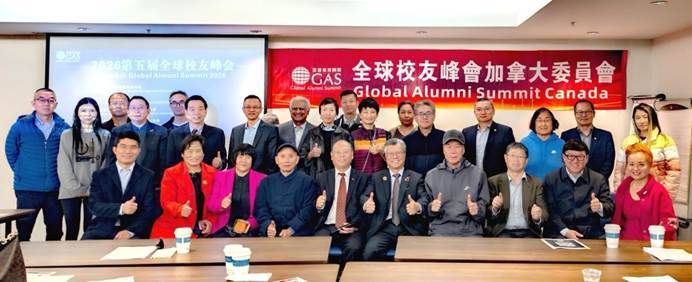
(2026第五届全球校友峰会秋季会议部分代表合影) 四、诺奖的影响力,不止于荣誉,更在于它能够为城市发展注入持续的动力 孙教授从学术高地、文化辐射、就业市场和城市无形资产等角度,分析诺奖得主对多伦多的影响。这让我意识到,诺贝尔奖与城市发展的联系,不能仅仅停留在“谁获得了奖”“谁出生于哪里”这样的事实层面,更值得关注的是,这些杰出人物的影响力如何转化为城市发展的实际能力。 在科学领域,重要研究成果可能吸引更多科研人员、企业和投资机构,推动大学、实验室与产业之间的合作,形成新的创新生态。 在文学与文化领域,杰出作家的作品能够引发国际读者的关注,促进出版、翻译、文学交流和公共文化活动,让城市的文化形象更加鲜明。 在教育领域,诺奖得主的经历与成就能够激发年轻人的好奇心,鼓励他们追求知识、独立思考、勇于探索,为下一代树立榜样。 在国际传播领域,诺奖得主的名字与成就能够让城市进入世界公众的视野,使人们对城市的认识不再局限于地理位置、商业规模或旅游景点,而是进一步关注它所孕育的思想、知识和创造力。 当然,诺贝尔奖并不会自动转化为就业、投资或经济增长。要真正释放这些影响力,还需要城市持续投入教育科研、完善创新体系、支持文化创作,并为研究成果走向社会创造条件。 但这正是诺奖价值值得深入研究的地方:真正重要的,不只是一个人获得了多高的荣誉,更是这份荣誉能否成为推动更多人学习、创造、合作和发展的力量。
(本文作者李燕) 五、从诺奖看城市发展:最值得投资的,是人的智慧与创造力 读完孙教授的演讲,我更加认同一个观点:城市发展既需要看得见的基础设施,也需要看不见的精神基础;既需要资本、技术和产业,也需要知识、文化和人才。 高楼可以在几年内建成,商业项目可以在市场中迅速扩张,但一个城市的学术传统、文化底蕴和创新能力,往往需要几代人的努力才能形成。 诺奖得主的出现,不是凭空发生的奇迹。个人天赋固然重要,但教育环境、学术积累、社会支持、思想交流以及长期坚持,同样不可或缺。 因此,诺奖带给城市最深远的启示,不是追求奖项数量的简单排名,而是思考如何建设一个有利于人才成长、知识创新和文化繁荣的社会。 我们是否尊重独立思考?是否鼓励年轻人提出问题?是否愿意支持那些短期内看不到经济回报、却可能影响未来的基础研究?是否为文学艺术、哲学思想和跨文化交流留下足够的空间? 这些问题,决定着一座城市能否不断积累真正持久的竞争力。 城市最宝贵的资源,不只是土地、建筑和资本,更是人的智慧;城市最值得长期投资的事业,不只是经济建设,更是教育、科学、文化与人才的成长。 六、让诺奖荣光成为城市前行的动力,而不仅是城市引以为傲的名片 孙瑞祥教授的演讲,让我们从诺贝尔奖这一独特视角,重新审视多伦多的城市价值与国际影响力。 诺奖得主是城市的骄傲,但城市不能只满足于拥有这份骄傲。更重要的是,如何珍惜这份宝贵的文化与学术资源,如何让科学家的探索精神、文学家的创造精神和教育工作者的育人精神,融入城市的日常生活与未来发展。 让更多年轻人有机会接触科学与文学,让更多学校重视创造力与独立思考,让更多文化机构开展有深度的公共活动,让更多研究成果惠及社会,让不同文化背景的人们能够平等交流、相互启发——这些,都是城市把荣誉转化为公共价值的具体途径。 对于多伦多而言,多元与包容不应只是城市的口号,更应成为人才成长、思想交流和文化创造的现实条件。只有当不同背景的人们都能够发挥所长、贡献智慧,城市的多元优势才能真正转化为创新优势与发展优势。 感谢孙瑞祥教授带来的这场富有启发性的学术演讲,也感谢全球校友峰会为不同领域的专家学者搭建交流平台。 一位诺奖得主,可以让世界看见一座城市;一群优秀人才,可以推动一座城市不断进步;而一个真正尊重知识、鼓励创造、珍惜人才的社会,则能够让这种影响力持续传承。 回望过去,我们为多伦多与诺贝尔奖之间的深厚联系而自豪;展望未来,我们更期待这座城市继续以开放汇聚人才,以教育培育智慧,以创新推动发展,以文化丰富人心。 因为,城市真正的荣耀,不仅是曾经诞生或培养过多少杰出人物,更是今天能否继续为卓越创造条件,明天能否让更多人才脱颖而出,未来能否为人类文明作出新的贡献。 诺奖荣光,是城市走过的精彩篇章;人才成长,是城市持续发展的不竭动力;面向未来的创造与贡献,才是城市国际影响力最有生命力的源泉!
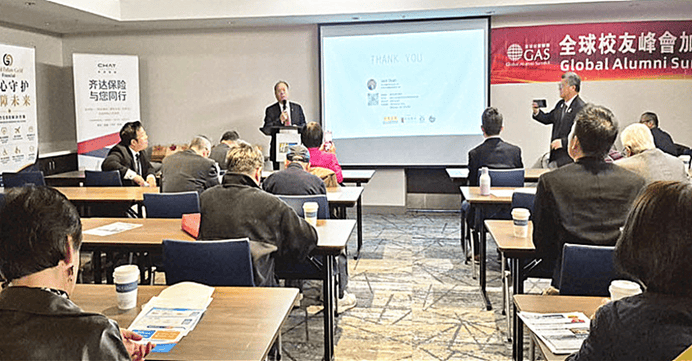
(2026第五届全球校友峰会秋季会议会场) 非常值得称道的是,峰会邀请汤友志博士为孙教授的演讲作点评。我认为,这不仅是一次恰当的嘉宾安排,更是一次专业视角与时代主题的精准呼应。 为什么说汤友志博士是这场演讲点评的合适人选? 因为他此前就对加拿大人与诺贝尔奖的故事进行过深入探讨。在2026年4月19日发表的特稿《一百年的静水深流:加拿大人与诺贝尔奖的那些故事》中,他以班廷、赫茨伯格、波拉尼、麦克唐纳、斯特里克兰、霍顿和辛顿等科学家的经历,讲述了加拿大科学发展的历史脉络,并用一句极有分量的话概括加拿大科学的独特精神: 加拿大科学最特别的地方:它不靠喧哗取胜,而靠一百年的静水深流。 原文链接:https://mp.weixin.qq.com/s/8iKoGphQ6bMsbB6wNRnltg 这句话既是对加拿大科学传统的深刻总结,也为我们理解加拿大未来的科技发展提供了启示。真正有价值的突破,往往不是一时的轰动,而是长期的探索、持续的投入、对未知的好奇,以及在尚未看到成果时依然不轻言放弃的坚持。 孙瑞祥教授的演讲和汤友志博士的点评,则把这一历史视角进一步延伸到当下,将讨论引向人工智能时代的国家发展战略。 今天,无论是国家、企业,还是个人,都在寻找人工智能发展的突破点。大家关心的不再只是AI有多先进、技术有多神奇,而是一个更现实、更紧迫的问题:如何让人工智能真正落地?如何把科研成果转化为产业动力、就业机会和社会价值?如何让科技创新惠及更多普通人? 孙教授以诺贝尔奖得主杰弗里·辛顿为切入点,讲述多伦多如何依托深度学习研究积累和科技人才优势,逐步发展成为全球重要的人工智能创新中心,并将这一发展脉络与加拿大政府的“AI for All”国家战略联系起来。他在演讲中提到的AI相关就业岗位和青年实习机会,更让听众看到了人工智能与国家经济、企业发展、青年就业和个人成长之间的紧密联系。 这正是这场演讲最有吸引力、启发力和号召力的地方:它没有停留在诺贝尔奖的荣誉与历史上,而是从诺贝尔奖所代表的科研实力出发,进一步追问这些实力如何转化为国家发展的现实竞争力。
(本文作者李燕) 诺贝尔奖得主不仅是个人学术成就的象征,也可以成为一座城市的创新名片、一种人才集聚的引力,以及一个国家长期科研积累的体现。但荣誉本身并不会自动创造未来。要让科学家的智慧真正转化为社会生产力,还需要政府的战略引导、企业的应用探索、大学的科研支持、投资机制的配合,以及年轻一代积极参与。 这也让我们重新思考“AI for All”的深层意义:人工智能的发展,不应只属于少数科技巨头,也不应只停留在实验室和专业领域。它需要进入企业的生产经营,进入教育、医疗、金融和公共服务等具体场景,也需要帮助普通人提升能力、创造机会、改善生活。 国家需要找到AI发展的战略支点,企业需要找到技术应用的商业突破口,个人需要找到学习与职业转型的新方向。只有当国家战略、企业实践与个人成长形成合力,人工智能才能真正从“技术突破”走向“广泛应用”,从“创新成果”走向“普惠价值”。 从这个角度看,孙瑞祥教授的演讲抓住了一个重要的时代节点:以诺贝尔奖为观察窗口,以多伦多为现实案例,以人工智能为发展前沿,以国家战略为落脚点。这种由历史走向现实、由学术走向产业、由城市影响力走向国家竞争力的思路,让演讲具有了超越一般学术介绍的现实意义。 而汤友志博士的点评之所以合适,恰恰在于他对加拿大科学发展史有自己的观察与积累。他所强调的“静水深流”,与孙教授所讨论的AI发展形成了很好的互补:一方面,重大科技突破需要长期积累,不能急于求成;另一方面,当技术发展进入新的关键阶段,也需要及时把握机遇,推动科研、产业和社会应用之间形成有效连接。 长期积累,决定创新的深度;战略眼光,决定发展的方向;落地能力,决定创新的价值。 我由衷赞赏这次峰会的主题设计与点评安排。好的峰会,不只是把有思想的人聚在一起,更要让不同领域的思想相互激发,让历史经验照亮现实问题,让学术讨论最终指向未来行动。孙瑞祥教授的演讲提供了一个值得深入思考的切入点,汤友志博士的点评则从加拿大科学发展的历史积淀出发,与演讲形成了有意义的呼应。 一场有价值的峰会,不仅让我们知道加拿大曾经取得了什么成就,更启发我们思考:加拿大凭什么继续创新?多伦多如何进一步提升国际影响力?AI时代的机遇,又如何转化为国家、企业和个人共同发展的动力? 诺贝尔奖记录着人类智慧攀登高峰的足迹;人工智能则正在打开新的发展空间。从班廷发现胰岛素,到辛顿推动深度学习的发展,我们看到的是科学探索跨越时代的力量。面向未来,加拿大需要继续珍惜人才、支持原创研究、促进产学研协作,并推动人工智能走进更广泛的现实生活。 这或许正是这次峰会带给我们的重要启示:以历史积淀培育创新,以国家战略引领方向,以实际应用检验成果,以普惠价值衡量发展的意义。 让诺贝尔奖的荣光成为创新的起点,而不是停留在过去的终点;让AI的突破不只成为技术领域的新闻,更成为推动社会进步、创造就业机会、赋能青年成长的现实力量。这既是加拿大未来发展的重要课题,也是这次全球校友峰会值得我们继续思考和行动的方向。 美篇链接: https://www.meipian.cn/5qnaq1b6?first_share_to=copy_link&share_depth=1&first_share_uid=8617649
(本文作者李燕) The Glory of Nobel Laureates Illuminates Cities; the Wisdom of Talent Shapes the Future Reflections on Professor Sun Ruixiang’s Keynote Address, “The Nobel Prize and Toronto’s International Urban Influence” By:Yan Li Professor Sun Ruixiang delivered a keynote address entitled “The Nobel Prize and Toronto’s International Urban Influence” at the Autumn Session of the Fifth Global Alumni Summit 2026. Reading Professor Sun Ruixiang’s keynote address, delivered at the Autumn Session of the Fifth Global Alumni Summit 2026, was both inspiring and thought-provoking. Drawing on his extensive academic knowledge, broad international perspective, and ability to explain complex ideas in accessible language, Professor Sun connected the Nobel Prize with talent development, scientific and technological innovation, literary achievement, and urban development. His analysis invited us to reconsider the significance of the Nobel Prize. It is not merely a world-renowned honour bestowed upon outstanding individuals; it is also a mirror reflecting a city’s cultural heritage, educational strength, innovative capacity, and international influence. Links to the original articles: https://www.chinanews.org/m/view.php?aid=30212 http://canada.gonggongnews.com/news/20261030/d491eed60a999e7de4514eb74a6f0860.shtml I. Nobel Laureates Are Not Only Individuals of Distinction; They Are Also Valuable Intangible Assets of a City The value of a Nobel laureate extends far beyond a medal, an honour, or a name recognized around the world. Their research findings, intellectual contributions, and academic spirit can transcend national borders and historical eras, continuing to influence the development of human society. Their connections with a particular city can also bring that city international recognition that extends far beyond its geographical boundaries. Nobel laureates are a source of civic pride, cultural ambassadors for their cities, and important assets in attracting talent, bringing together intellectual resources, and advancing innovation. Sometimes, their influence is direct. Scientific discoveries drive technological progress; literary works enrich the human spirit; and innovative ideas inspire new research directions and create opportunities for emerging industries. At other times, their influence is indirect but far-reaching. Their names attract global attention. Their journeys inspire young people to explore the unknown. Their achievements encourage people to discover and learn more about a city, and may ultimately motivate them to come there to study, work, conduct research, and build their lives. Nobel laureates can therefore be regarded as a distinctive form of intangible urban asset. Their value cannot easily be measured in monetary terms, yet it can continue to generate benefits through academic reputation, talent attraction, cultural influence, and innovation-driven development. Tangible buildings define a city’s physical profile, while intangible wisdom determines its intellectual stature. A city’s international influence is written not only among its skyscrapers and landmarks, but also in the lives and achievements of those who create knowledge, ideas, and cultural value for humanity. II. Nobel Laureates and Their Cities: A Relationship of Mutual Enrichment and Shared Achievement One particularly thought-provoking point in Professor Sun’s address was that cities provide Nobel laureates with the academic foundations and cultural environments in which they can grow, while Nobel laureates, in turn, bring their cities prestige, attention, and opportunities for development. The development of exceptional talent often depends on educational resources accumulated over many years, an open and inclusive academic environment, the exchange and interaction of diverse ideas, and a social atmosphere that allows people to explore the unknown and challenge established assumptions. The calibre of talent a city attracts reflects, to some extent, the quality of its developmental environment. In turn, that talent helps advance the city, generating new intellectual, technological, cultural, and industrial resources. This creates a virtuous cycle. Cities attract talent through openness and inclusion, nurture talent through education and research, and empower talent through platforms for innovation. Talented individuals then enhance their cities’ visibility, reputation, and innovative capacity through outstanding achievements, attracting even more talented people in the process. The relationship between Toronto and the Nobel Prize can be understood from this perspective. Outstanding people enhance a city’s reputation, while an outstanding urban environment enables more people to excel. Only when cities and talent continually nurture and strengthen one another can a city develop lasting advantages and sustain its vitality over time. This also reminds us that urban development should not focus exclusively on skyscrapers, commercial prosperity, and population growth. Equal attention must be given to the less visible foundations that determine a city’s long-term competitiveness: education, scientific research, culture, intellectual freedom, talent development, and an ecosystem that supports innovation.
(本文作者李燕) III. From Geoffrey Hinton to Anne Carson: Nobel Recognition Reflects Toronto’s Blend of Science and the Humanities One particularly noteworthy aspect of Professor Sun’s address was that he examined Nobel Prize achievements not only in the sciences but also in literature and other areas of the humanities when analysing a city’s international influence. Geoffrey Hinton’s association with artificial intelligence research has drawn greater attention to Toronto’s academic contributions to machine learning and AI development. Anne Carson’s recognition with the Nobel Prize in Literature, as discussed in the context of Professor Sun’s address, highlights another dimension of Toronto’s connections with literary creativity, classical scholarship, and humanistic thought. One represents scientific exploration and technological innovation; the other represents literary creativity and the human spirit. Together, they remind us that a city with genuine international influence needs more than the speed of technological advancement; it also needs the depth of humanistic understanding. It must possess not only the capacity to create wealth, but also the cultural strength to enrich the human spirit and deepen our understanding of life. Science helps humanity understand and transform the world. Literature helps us understand ourselves and others. Science and the humanities are not separate paths but complementary forces that together advance human civilization. Toronto’s character as a city can be understood through precisely this kind of diversity and inclusiveness. People from different countries and cultural backgrounds come here to study, conduct research, create, and live. Different intellectual traditions meet and interact, diverse ideas stimulate one another, and professionals from different disciplines have opportunities to exchange insights and inspire new discoveries. A city’s stature depends not only on how advanced its technologies are, but also on how rich and diverse its intellectual life can be. Its appeal comes not only from economic prosperity, but also from the world of ideas and values nurtured by the interaction between science and the humanities. IV. The Influence of the Nobel Prize Extends Beyond Recognition: It Can Become a Sustained Force for Urban Development Professor Sun examined the influence of Nobel laureates on Toronto from several perspectives, including academic excellence, cultural reach, employment opportunities, and intangible urban assets. His analysis led me to recognize that the relationship between the Nobel Prize and urban development should not remain at the level of factual questions such as who won the prize or where a laureate was born. The more important question is how the influence of these outstanding individuals can be translated into tangible capabilities for urban development. In science, significant research breakthroughs can attract researchers, companies, and investors, encourage collaboration among universities, laboratories, and industries, and help create new innovation ecosystems. In literature and culture, the works of distinguished writers can attract international readers and stimulate publishing, translation, literary exchange, and public cultural activities, giving a city’s cultural identity greater visibility and distinction. In education, the experiences and achievements of Nobel laureates can awaken young people’s curiosity, encourage them to pursue knowledge, think independently, and explore boldly, while providing inspiring role models for the next generation. In international communications, the names and achievements of Nobel laureates can bring a city into the global public consciousness. People may begin to see the city as more than a geographical location, a commercial centre, or a tourist destination. They may also become interested in the ideas, knowledge, and creativity that the city helps cultivate. Of course, the Nobel Prize does not automatically translate into jobs, investment, or economic growth. Realizing its full potential requires sustained investment in education and research, a stronger innovation system, support for cultural creation, and mechanisms that help research findings reach society. That is precisely why the value of the Nobel Prize deserves deeper examination. What ultimately matters is not simply the level of recognition an individual achieves, but whether that recognition can inspire more people to learn, create, collaborate, and contribute to society’s development. V. What the Nobel Prize Teaches Us About Urban Development: The Most Valuable Investment Is in Human Intelligence and Creativity After reading Professor Sun’s address, I find myself even more convinced of one fundamental principle: urban development requires both visible infrastructure and invisible intellectual foundations. It needs capital, technology, and industry, but it also needs knowledge, culture, and talent. Skyscrapers can be built within a few years, and commercial projects can expand rapidly in response to market demand. However, a city’s academic traditions, cultural heritage, and innovative capabilities often take generations to develop. The emergence of a Nobel laureate is never an isolated miracle. Individual talent certainly matters, but so do the educational environment, accumulated academic knowledge, social support, intellectual exchange, and the determination to persevere over time. The most profound lesson the Nobel Prize offers cities, therefore, is not to pursue simplistic rankings based on the number of awards won. It is to consider how to build a society in which talent can flourish, knowledge can advance, and culture can prosper. Do we respect independent thinking? Do we encourage young people to ask questions? Are we willing to support fundamental research that may offer no immediate economic return but could shape the future? Do we leave sufficient room for literature, the arts, philosophy, and cross-cultural exchange? The answers to these questions help determine whether a city can continually build genuine, lasting competitiveness. A city’s most valuable resources are not merely its land, buildings, and capital, but the intelligence of its people. Its most worthwhile long-term investments extend beyond economic construction to the growth of education, science, culture, and human talent. VI. Let the Glory of the Nobel Prize Become a Driving Force for Urban Progress, Not Merely a Source of Civic Pride Professor Sun Ruixiang’s address invites us to reconsider Toronto’s value and international influence through the distinctive lens of the Nobel Prize. Nobel laureates are a source of pride for their cities, but cities should not be satisfied with pride alone. More important is how they preserve and develop this valuable intellectual and cultural heritage, and how they integrate the spirit of scientific exploration, literary creativity, and educational dedication into everyday life and future development. Giving more young people opportunities to engage with science and literature; encouraging schools to value creativity and independent thinking; enabling cultural institutions to organize meaningful public programs; helping research findings benefit society; and creating opportunities for people from different cultural backgrounds to communicate as equals and inspire one another—these are all practical ways to transform prestige into public value. For Toronto, diversity and inclusion should be more than slogans. They should be reflected in the actual conditions that enable talent to grow, ideas to circulate, and culture to flourish. Only when people from different backgrounds have genuine opportunities to contribute their strengths and share their wisdom can the city’s diversity become a true advantage in innovation and development. I would like to express my sincere appreciation to Professor Sun Ruixiang for delivering such an intellectually stimulating address, and to the Global Alumni Summit for providing a platform where experts and scholars from different fields can exchange ideas. A Nobel laureate can bring a city to the world’s attention. A community of outstanding talent can propel a city forward. And a society that genuinely respects knowledge, encourages creativity, and values its people can ensure that this influence continues across generations. Looking back, we take pride in the deep connections between Toronto and the Nobel Prize. Looking ahead, we hope to see the city continue to attract talent through openness, cultivate wisdom through education, advance development through innovation, and enrich the human spirit through culture. Ultimately, a city’s true glory lies not only in how many outstanding individuals it has produced or nurtured in the past, but also in whether it continues to create the conditions for excellence today, enables more talent to emerge tomorrow, and contributes new achievements to human civilization in the years to come. The glory of the Nobel Prize is a remarkable chapter in a city’s history. The growth of human talent is an inexhaustible source of its continued development. And creativity and contribution in the years ahead are the most enduring sources of a city’s international influence. Dr. Tang Youzhi’s Commentary: A Timely Perspective on Canada’s Scientific Legacy and the Future of AI One particularly commendable aspect of the summit was its invitation to Dr. Tang Youzhi to provide commentary on Professor Sun’s address. In my view, this was not simply an appropriate choice of commentator; it was a thoughtful alignment of professional expertise with the defining issues of our time. Why was Dr. Tang such a suitable person to comment on this address? Because he had already explored in depth the stories of Canadians and the Nobel Prize. In his feature article published on April 19, 2026, entitled A Century of Quiet, Steady Progress: The Stories of Canadians and the Nobel Prize, Dr. Tang traced the development of Canadian science through the experiences of scientists including Frederick Banting, Gerhard Herzberg, Michael Polanyi, John Macdonald, Donna Strickland, John O’Keefe, and Geoffrey Hinton. He summarized the distinctive spirit of Canadian science in a particularly memorable statement: What makes Canadian science distinctive is that it does not prevail through fanfare, but through a century of quiet, steady progress. Link to the article: https://mp.weixin.qq.com/s/8iKoGphQ6bMsbB6wNRnltg This observation offers a profound summary of Canada’s scientific tradition and an important insight into the country’s future technological development. Truly meaningful breakthroughs rarely result from momentary excitement alone. They emerge from long-term exploration, sustained investment, curiosity about the unknown, and the determination to persevere even when results are not yet visible. Professor Sun’s address and Dr. Tang’s commentary extended this historical perspective into the present, directing the discussion toward Canada’s national development strategy in the age of artificial intelligence. Today, nations, businesses, and individuals alike are searching for breakthroughs in AI development. The central question is no longer simply how advanced AI has become or how remarkable its technology may be. A more immediate and pressing question is this: How can artificial intelligence be translated into practical applications? How can research achievements be transformed into industrial momentum, employment opportunities, and social value? And how can technological innovation benefit a broader segment of the population? Using Nobel laureate Geoffrey Hinton as a point of departure, Professor Sun traced how Toronto has drawn on its accumulated expertise in deep learning and its strengths in technological talent to develop into a globally significant AI innovation centre. He connected this development to the Canadian government’s national “AI for All” strategy. His references to AI-related employment opportunities and youth internships also helped the audience recognize the close connections between artificial intelligence and national economic development, business growth, youth employment, and individual advancement. This, in my view, is what makes the address particularly compelling, thought-provoking, and motivating. Rather than dwelling on the prestige and history of the Nobel Prize, it began with the scientific strength represented by Nobel laureates and then asked how that strength could be translated into tangible national competitiveness. Nobel laureates are not only symbols of individual academic achievement. They can also serve as innovation ambassadors for their cities, magnets for talent, and evidence of a country’s long-term investment in scientific research. Yet recognition alone does not create the future. For scientific intelligence to become a productive force in society, it requires strategic direction from government, practical experimentation by businesses, research support from universities, appropriate investment mechanisms, and the active participation of younger generations. This also invites us to reconsider the deeper meaning of “AI for All.” The development of artificial intelligence should not belong exclusively to a handful of technology giants, nor should it remain confined to laboratories and specialized professional circles. AI needs to be integrated into real-world settings, including business operations, education, healthcare, finance, and public services. It should also help ordinary people strengthen their capabilities, discover opportunities, and improve their lives. Governments need to identify strategic leverage points for AI development. Businesses need to discover viable commercial pathways for applying the technology. Individuals need to find new directions for learning and career transition. Only when national strategy, business practice, and individual development work together can artificial intelligence move from technological breakthroughs to widespread application, and from innovation achievements to broadly shared benefits. From this perspective, Professor Sun’s address captured an important turning point in our times. It used the Nobel Prize as a window into scientific achievement, Toronto as a real-world case study, artificial intelligence as a frontier of development, and national strategy as the ultimate point of application. This progression—from history to contemporary realities, from academia to industry, and from urban influence to national competitiveness—gave the address practical significance beyond that of a conventional academic presentation. Dr. Tang’s commentary was particularly appropriate because of his own research and reflections on the history of Canadian science. His emphasis on quiet, steady progress complemented Professor Sun’s discussion of AI development in a meaningful way. On the one hand, major technological breakthroughs require long-term accumulation and cannot be rushed. On the other hand, when technological development reaches a critical turning point, opportunities must be recognized and acted upon in a timely manner, with effective connections established among research, industry, and social applications. Long-term accumulation determines the depth of innovation. Strategic vision determines the direction of development. The ability to translate ideas into practical applications determines the value of innovation. I sincerely applaud the summit’s thematic design and its choice of commentator. A successful summit does more than bring thoughtful people together. It creates opportunities for ideas from different fields to stimulate one another, allows historical experience to illuminate contemporary challenges, and directs academic discussion toward future action. Professor Sun’s address offered a valuable starting point for reflection, while Dr. Tang’s commentary drew upon the historical foundations of Canadian science to create a meaningful dialogue with the presentation. A truly valuable summit does not merely tell us what Canada has achieved in the past. It also inspires us to ask: What will enable Canada to continue innovating? How can Toronto further strengthen its international influence? And how can the opportunities presented by the AI era be transformed into a driving force for the shared development of the nation, businesses, and individuals? The Nobel Prize records humanity’s journey toward the heights of intellectual achievement. Artificial intelligence, meanwhile, is opening up new frontiers of development. From Banting’s discovery of insulin to Hinton’s contributions to the advancement of deep learning, we can see the enduring power of scientific exploration across generations. Looking to the future, Canada needs to continue valuing talent, supporting original research, strengthening collaboration among academia, industry, and research institutions, and bringing artificial intelligence into a wider range of real-world applications. Perhaps this is one of the most important lessons of the summit: cultivate innovation through accumulated knowledge and experience, establish direction through national strategy, evaluate results through practical application, and measure the significance of development by the benefits it brings to society. Let the glory of the Nobel Prize become a starting point for innovation rather than a destination confined to the past. Let AI breakthroughs become more than headlines in the technology sector; let them become practical forces that advance society, create employment opportunities, and empower young people to grow and thrive. This is an important challenge for Canada’s future—and a direction worthy of continued reflection and action following the Global Alumni Summit. Link to the article: https://www.meipian.cn/5qnaq1b6?share_depth=1&first_share_to=copy_link&first_share_uid=8617649
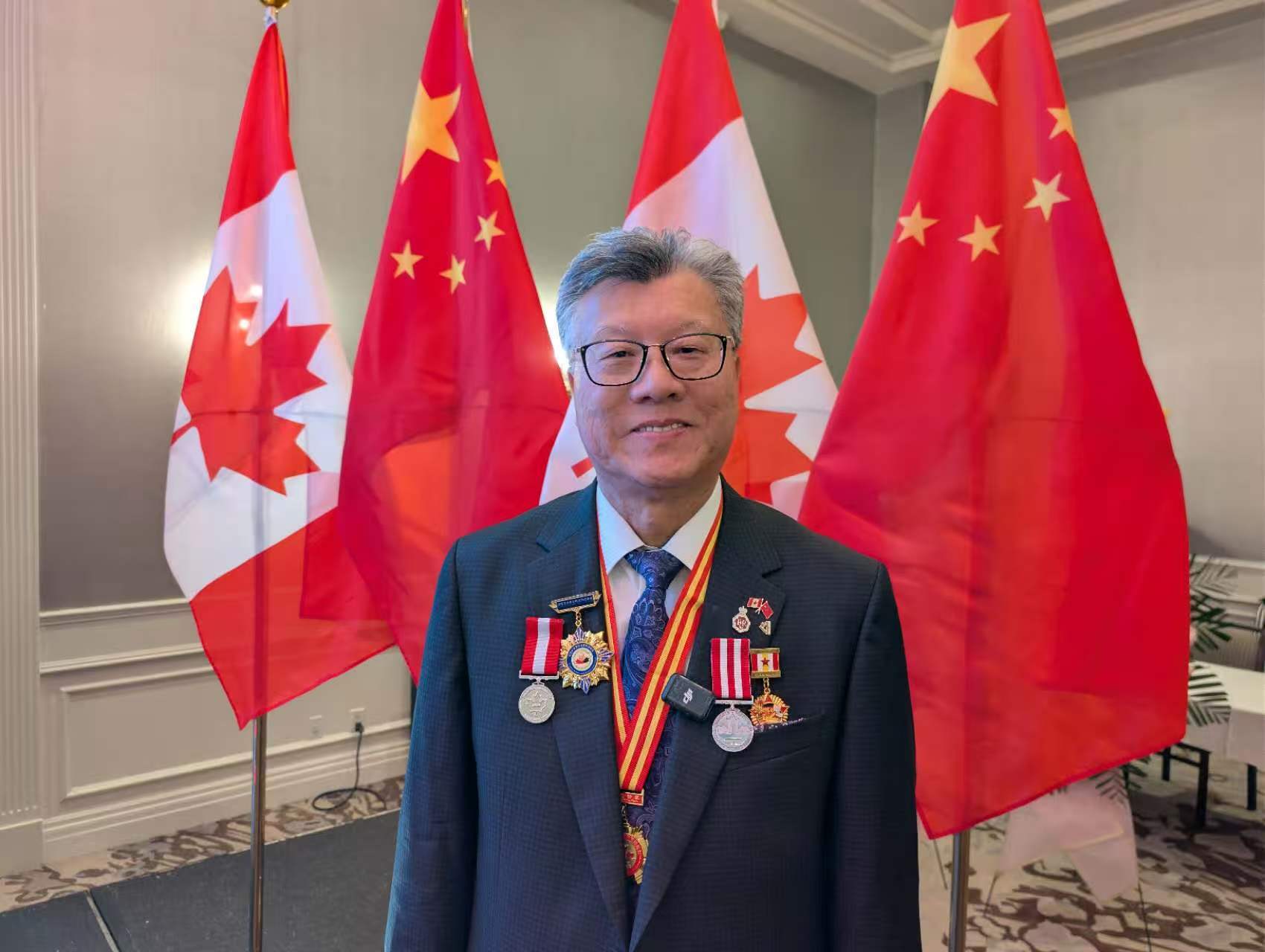
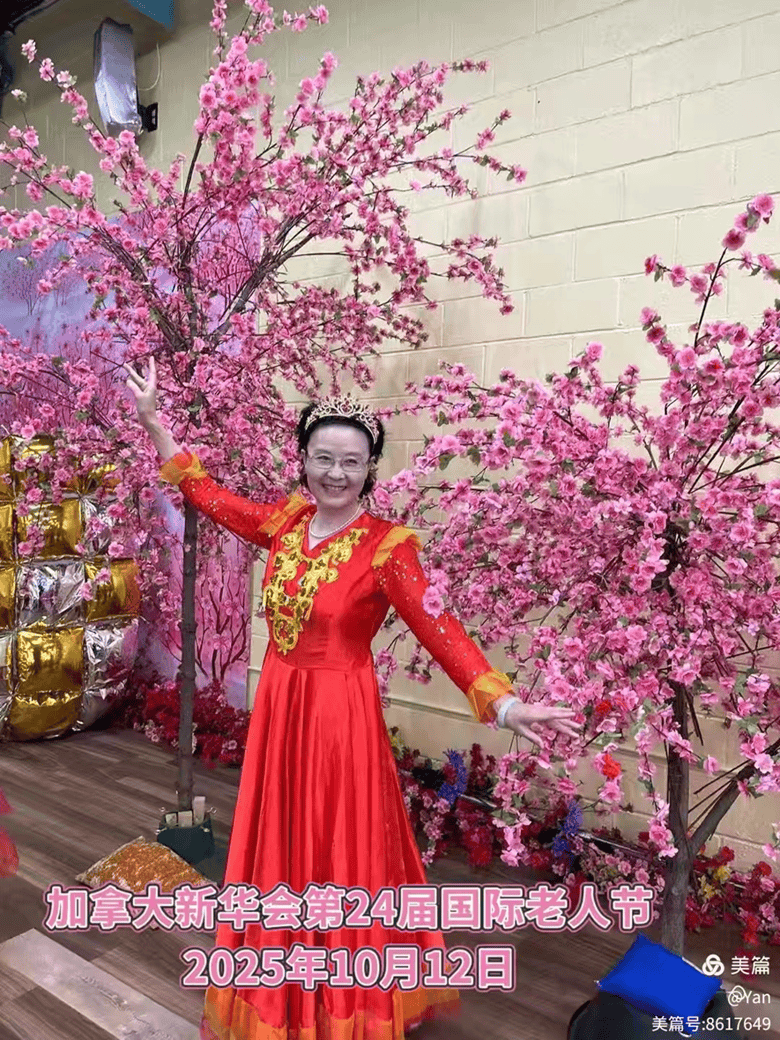
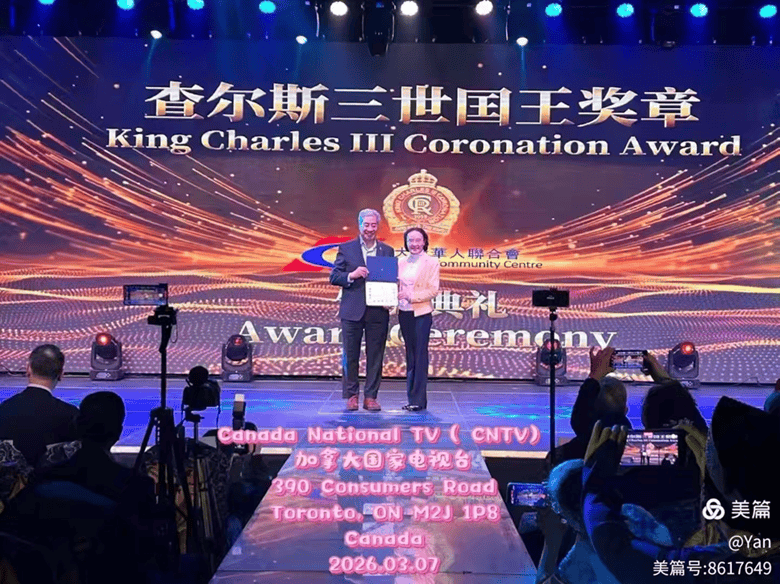
(本文作者李燕荣获查尔斯三世国王奖章) 作者简介: 李燕,加拿大安省永久注册教师,加拿大安省教师协会会员。加拿大中文作家协会理事。英文翻译,图书编辑,图书作者,保险顾问,神经语言程式学执行师。总统大奖获得者。钻石大奖获得者。查尔斯三世国王奖章获得者。主编、责编、翻译、写作教育类、文学类、旅游类图书达300多种。现定居加拿大多伦多。 About the Author Yan Li is a permanently certified teacher in Ontario, Canada, and a member of the Ontario College of Teachers (OCT). She serves as a board member of the Chinese Writers Society of Canada and works as an English translator, book editor, author, insurance advisor, and Neuro-Linguistic Programming (NLP) Practitioner. She is the recipient of the President’s Award, the Diamond Award, and the King Charles III Coronation Medal in recognition of her professional achievements and community contributions. As a chief editor, managing editor, translator, and author, she has contributed to the publication of more than 300 books spanning education, literature, and travel. She currently resides in Toronto, Canada. 责任编辑:加拿大共工社 |


声明:
本文由入驻共工号平台的作者撰写,观点仅代表作者本人,不代表共工号立场。仅供读者参考,并不构成投资建议。投资者据此操作,风险自担。同时提醒网友提高风险意识,请勿私下汇款给自媒体作者,避免造成金钱损失,风险自负。如有文章和图片作品版权及其他问题,请联系本站。邮箱:zhidaoribao@gmail.com