卡尼总理,领导好美丽的加拿大!——从国家的美丽到国家的尊严

|
加拿大共工新闻社专题电(文:李 燕)
本文作者:李燕 加拿大的美,不止于枫红山碧 加拿大的美丽,印刻在每一个加拿大人的脑海里,也珍藏在每一个曾经到访加拿大的人的心中。 这种美,首先是大自然赋予的。 从落基山脉的巍峨雄奇,到尼亚加拉大瀑布的奔腾壮阔;从安大略湖的烟波浩渺,到秋日枫叶的层林尽染;从广袤无垠的森林、湖泊,到冬日洁白的雪原,加拿大以辽阔的土地、丰饶的自然和四季更迭的壮美,向世人展现着大自然的慷慨。 然而,加拿大的美,又何止于此? 还有人与人之间的尊重,不同文化之间的包容,不同背景的人们共同生活、彼此理解的社会理想;还有人们对自由、平等、尊严与和平的珍视,对法治、民主和国家独立的坚守。 自然之美,使人心生眷恋;人文之美,使人愿意留下;而一个国家在关键时刻所表现出来的尊严与定力,则让人对它产生更加深沉的敬意。 我热爱加拿大。 这份热爱,不仅来自我对这片土地的欣赏,也来自我对加拿大社会价值、生活方式与未来的珍视。 因此,2026年10月23日,当我读到有关加拿大总理马克·卡尼访问土耳其、推进两国战略合作的新闻时,心中涌起了强烈的感触。 新闻讨论的一个重要问题是:当加拿大与在某些人权议题上存在争议的国家开展合作时,是否意味着加拿大认同对方的相关政策? 卡尼给出的回答,体现了一种值得思考的外交理念:接触不等于认同,合作不等于放弃原则。
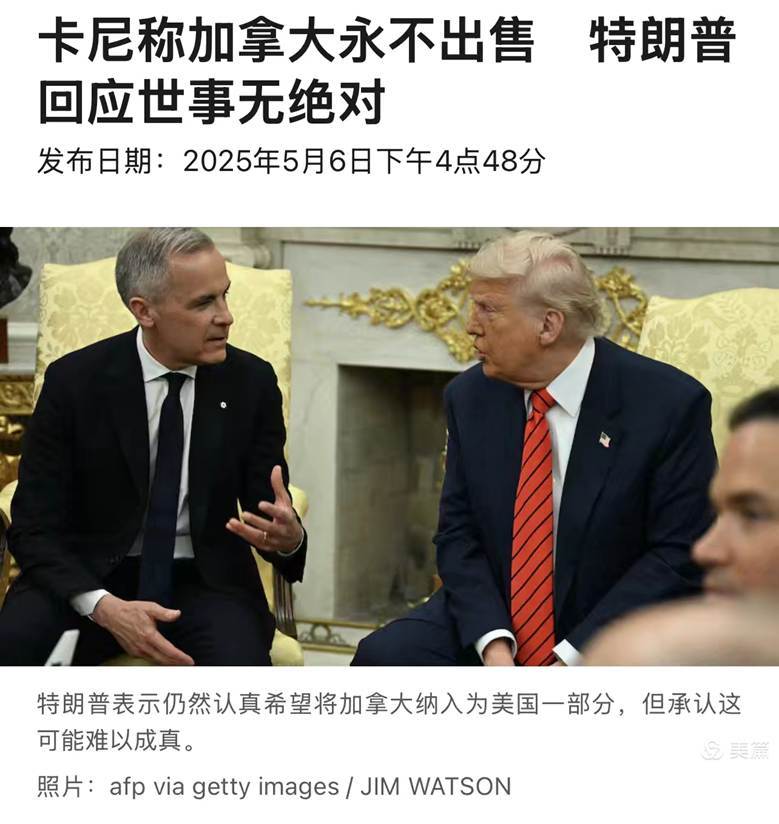
新闻出处:2026年10月23日,the talk media.com 标题:《人权争议挡不住合作?卡尼力挺加土新伙伴关系 这则新闻触动了我。 因为它让我再次思考:一个国家,怎样才能既积极参与世界,又不丢失自己的价值立场?怎样才能既与不同国家合作,又保持独立判断?怎样才能在复杂多变的国际关系中,守住自己的原则、尊严与底线? 而这些思考,又让我想起了另一则令我印象深刻的新闻。这则新闻触动我的地方是:“有些地方,是永远不会出售的。” 这则新闻的出处链接是: https://ici.radio-canada.ca/rci/zh-hans/新闻/2163197/卡尼-加拿大-永不出售-特朗普-回应-世事无绝对 https://www.facebook.com/watch/?v=1350968906158228&vanity=PhoenixTVHK&hpir=1 此前,美国总统特朗普曾公开谈及希望加拿大成为美国的一部分。 据加拿大广播公司等媒体当时的报道,在相关记者会上,特朗普表达了对加拿大的赞赏,同时再次谈及两国合并的设想,并从税收、国防等角度阐述了自己的看法。 面对这一话题,卡尼作出了一个简洁而有力的回应。他借用房地产开发商熟悉的语言指出:“有些地方是永远不会出售的。”
随后,他进一步明确表示:“加拿大不卖,也永远不会卖。” 当记者继续追问时,他再次强调了这一立场。 这段对话之所以令人印象深刻,不仅因为措辞鲜明,更因为它所表达的国家立场清晰而坚定。 国家是什么? 国家不是一处可以随意估价的房地产,不是一家公司可以通过资本运作实现的并购,也不是一项能够仅凭经济利益决定归属的交易。 国家有自己的历史、人民、文化、制度与共同记忆。 一片土地,承载着世世代代生活于此的人们的梦想与付出;一个国家,凝聚着无数人的身份认同、共同责任与未来期盼。 经济利益可以谈判,贸易条件可以调整,外交关系可以发展,合作方式可以创新。 但是,国家主权与人民自主决定国家未来的权利,不能被简单地折算成一笔经济账。 国家可以合作,但不意味着必须合并;邻国可以亲密,但不意味着彼此失去边界;朋友可以相互尊重,但不意味着一方可以替另一方决定命运。 这正是卡尼那句话令人感到有分量的地方。 面对实力强大的邻国,面对可能带有压力的言论,一个国家的领导人既需要维护关系的智慧,也需要捍卫国家立场的勇气。 有时候,外交需要千言万语;有时候,一句清晰、坚定而不失分寸的话,就足以表达一个国家不可含糊的立场。 我欣赏这样的表达。 不是因为强硬本身值得赞美,而是因为真正的坚定,是清楚知道什么可以协商,什么不能拿来交易。 读到这样的新闻,我的赞赏之心油然而生,我从心底发出赞叹:“卡尼总理,好样的!”
我的赞赏与赞叹,来自于卡尼总理在这些公开场合所表现出来的定力,体现了一位国家领导人应当具备的重要品质。 有定,有慧,有安,有静。 有边界,有判断力,有洞察力,有行动力。 有定,是心中有方向。 世界风云变幻,国际关系错综复杂。面对强大的外部力量,面对各种利益诱惑与现实压力,领导人如果没有清晰的方向,就容易随风摇摆;如果缺乏稳定的立场,就可能在短期利益面前迷失长远目标。 所谓有定,不是拒绝变化,而是在变化中不迷失;不是不考虑现实,而是在考虑现实的同时,不忘记什么才是根本。 一个国家的发展需要方向,一个社会的稳定需要方向,一个人的人生同样需要方向。 方向清楚,才知道何处可以前进,何处必须坚守。 有慧,是看得清事情的本质。 国际关系从来不是简单的非黑即白。 一个国家可能在某些方面与加拿大存在共同利益,同时又在其他议题上存在分歧。面对这样的现实,究竟应该完全拒绝接触,还是在合作中坚持表达自己的立场? 这需要智慧。 卡尼提出的“接触不等于认同”,至少揭示了一种值得重视的思路:外交关系不必建立在所有观点完全一致的基础上,但合作也不应成为放弃价值判断的理由。 真正的智慧,不是把复杂问题简单化,而是在复杂问题中分辨轻重、权衡利弊、明确原则。 既看得到眼前的利益,也看得到长远的风险;既理解现实世界的复杂性,也不因此放弃对原则的思考。
有安,是遇事不慌。 安,不是没有压力;静,不是没有声音。 真正的安定,是面对压力时仍然能够思考,面对争议时仍然能够判断,面对挑战时仍然能够保持必要的从容。 一个国家的领导人,不能因为外部声音强大,就急于证明自己;也不能因为一时的争议,就轻易改变立场。 沉得住气,才能看得清局势;稳得住心,才能作出清醒的判断。 有边界,是懂得什么不能让渡。 人与人之间,需要边界;国家与国家之间,同样需要边界。 良好的关系,不是没有边界,而是彼此尊重边界。 成熟的合作,不是放弃自己的立场去迎合对方,而是在尊重彼此独立性的基础上寻找共同利益。 卡尼关于加拿大不会出售的表态,之所以令我赞赏,正是因为它明确传达了一个重要信息:加拿大愿意与美国发展关系,也愿意与世界各国开展合作,但加拿大的国家归属与未来,应当由加拿大人民自己决定。 有判断力,是知道什么值得争取,什么必须守住。 有洞察力,是能够透过眼前的言辞,看见背后的原则与长远影响。 有行动力,则是把立场转化为政策,把判断转化为行动,把对国家的责任落实到具体的治理之中。 当然,评价一位总理,最终还需要看政策实施的效果、国家发展的实际成果,以及人民生活是否得到持续改善。 但至少在上述公开表态中,我看到了我所珍视的领导品质,也看到了加拿大所需要的一种精神力量。 因此,我愿意由衷地说: 卡尼总理,好样的!
卡尼的这些表现,让我不禁想起中国西汉司马迁《史记·陈涉世家》中的一句名言: “王侯将相,宁有种乎!” 这句话原本出自秦末陈胜、吴广起事前的历史语境,表达了对既有等级秩序的质疑,以及对人的地位与命运能否改变的追问。 今天,我想到这句话,并不是要把古代的历史情境直接套用到现代国际政治之中,而是从中感受到一种超越时代的精神:面对看似强大、不可撼动的力量,人不应当天然地自我矮化;面对权势与地位,也不应当轻易放弃自己的尊严。 一个国家如此,一个民族如此,一个人亦如此。 强大,不等于永远正确;体量大,不等于可以决定别人的命运;拥有更多资源,也不意味着可以替其他国家作出选择。 国家之间的相处,应当建立在主权平等、相互尊重和共同利益的基础之上。 加拿大不是因为比美国更强大,才有资格拒绝成为美国的一部分;加拿大也不需要通过贬低美国来证明自己的价值。 加拿大之所以有权决定自己的未来,是因为加拿大是一个拥有自身历史、制度与人民意志的国家。 一个国家的尊严,不需要以另一个国家的屈辱为代价。 真正成熟的国家关系,应当允许彼此独立,也能够彼此合作;允许存在差异,也能够寻找共识。 我欣赏卡尼在相关场合所表现出的坚定,正因为这种坚定不是简单的对抗,而是对国家自主权与人民选择权的明确维护。 所以,我想说: 卡尼总理,有种! 这里的“有种”,不是逞一时之勇,不是意气用事,更不是以强硬姿态取代理性思考。 我所赞赏的,是一个领导人敢于表达立场、勇于承担责任、能够在压力之下守住原则的勇气。 真正的勇气,不是声音比别人更大,而是在需要说“不”的时候,不因对方强大而失去说“不”的能力。 真正的底气,也不只是拥有多少资源、多少财富、多少实力,更在于知道自己是谁,知道自己珍视什么,知道自己愿意为之承担什么责任。
我深爱加拿大。 因此,我对卡尼总理的期待,不止于他能够在国际场合维护加拿大的国家尊严,也包括他能够把这种定力与智慧,持续落实到加拿大的国家治理之中。 一个国家的美丽,需要自然的馈赠,需要人的守护,需要良好的社会秩序,需要公平而有效的制度,需要经济的活力,需要人民生活的保障,也需要不同文化、不同背景的人们能够在相互尊重中共同生活。国家的独立与尊严,既体现在国际舞台上的表态,也体现在普通人的日常生活里。 当人们能够安心工作、安居乐业,当年轻人能够看见未来,当家庭能够获得支持,当不同背景的人们能够平等地参与社会,当社会能够在分歧中寻求共识——这样的加拿大,才会更加美丽、更加稳健,也更加值得人们热爱。 一个好领导人,需要维护国家的边界,也需要关心人民生活的边界;需要捍卫国家的主权,也需要守护人民的权利;需要在国际关系中保持清醒,也需要在国内治理中展现责任。 外交上的坚定,是国家形象的一部分;治理上的成效,则是人民能够切身感受到的国家力量。 我期待卡尼总理能够把他在外交场合所展现的定力、判断力与行动力,进一步转化为建设美好加拿大的实际成果。 让加拿大继续保持自然环境的优美,让社会生活更加安全有序,让经济发展为人民创造更多机会,让多元文化不仅是一句美好的口号,更成为人们在现实生活中可以感受到的尊重、理解与包容。 让每一个生活在加拿大的人,无论来自何方,都能够在这里找到归属感、尊严感与对未来的信心。 这才是我心中更加完整与美好的加拿大。
回望自己对加拿大的感情,我越来越觉得,爱一个国家,不仅是欣赏它的山河湖海,不仅是享受它带来的生活,也不仅是在它受到质疑时表达维护。 更深层的爱,是希望它保持自己的优点,正视自己的问题,守住自己的原则,并且有能力不断改进。 真正的赞美,不应当使人停止思考;真正的支持,也不意味着不再提出期待。 我赞赏卡尼总理在相关公开场合所表现出的国家立场,也期待他以持续的行动回应加拿大人民对国家发展、社会公平、经济繁荣与未来生活的期待。 我希望加拿大不仅是一片风景优美的土地,更是一个能够让人安心生活、自由发展、彼此尊重的家园。 我希望加拿大不仅拥有美丽的自然,也拥有美丽的人文;不仅拥有令人自豪的历史,也拥有值得期待的未来。 我更希望,加拿大能够在与世界各国的合作中保持开放,在面对外部压力时保持清醒,在处理内部问题时保持诚实,在追求国家利益时不忘人民福祉。 这才是我所理解的领导力。 这也是我所期待的加拿大。 卡尼总理,领导好美丽的加拿大! 愿您有定,能够辨明方向; 愿您有慧,能够洞察大局; 愿您有安,能够从容应对挑战; 愿您有静,能够在纷繁复杂的声音中保持清醒; 愿您有边界,能够守住加拿大的独立与尊严; 愿您有判断力,能够分清轻重缓急; 愿您有洞察力,能够看见当下之外的未来; 愿您有行动力,能够把理想化为现实,把承诺化为成果。 愿加拿大的山河依旧壮美,枫叶依旧鲜红;愿加拿大的社会更加和谐,人民更加安康;愿这个美丽的国家,在开放中保持自信,在合作中坚守原则,在多元中凝聚共识,在变化的世界中走出属于自己的道路。
卡尼总理,好样的! 加拿大,好样的! 愿加拿大越来越美丽,越来越繁荣,越来越安定,越来越值得我们深爱。 因为,一个美丽的国家,值得被热爱;一个有尊严的国家,值得被尊重;一个能够不断改善人民生活的国家,才更值得人民长久地信赖。 这,既是我对加拿大的深情,也是我对卡尼总理的期待。 Source: https://www.meipian.cn/5qfqb5ik?first_share_to=copy_link&first_share_uid=8617649&share_depth=1
Prime Minister Carney, Lead Beautiful Canada Well! — From the Beauty of a Nation to Its Dignity By:Yan Li Canada’s Beauty Goes Far Beyond Its Red Maples and Majestic Mountains The beauty of Canada is etched in the minds of Canadians and treasured in the hearts of all who have visited this country. First and foremost, this beauty is a gift from nature. From the towering grandeur of the Rocky Mountains to the thundering majesty of Niagara Falls; from the vast, shimmering waters of Lake Ontario to the brilliant tapestry of autumn foliage; from the seemingly endless forests and lakes to the pristine white landscapes of winter, Canada reveals the generosity of nature through its vast territory, abundant natural resources, and the magnificent beauty of its changing seasons. Yet Canada’s beauty extends far beyond its natural wonders. It is also reflected in the respect people show one another, the tolerance among different cultures, and the social ideal of people from diverse backgrounds living together in mutual understanding. It is reflected in the value Canadians place on freedom, equality, dignity, and peace, and in their commitment to the rule of law, democracy, and national independence. The beauty of nature inspires affection. The beauty of a society makes people want to stay. And the dignity and steadfastness a nation demonstrates at critical moments inspire an even deeper sense of respect. I love Canada. My love comes not only from my appreciation of this land, but also from my deep regard for Canada’s social values, way of life, and future. That is why, on October 23, 2026, when I read a news report about Canadian Prime Minister Mark Carney’s visit to Türkiye to advance strategic cooperation between the two countries, I was deeply moved. One important question raised in the report was this: When Canada cooperates with a country with which it has disagreements on certain human rights issues, does that mean Canada endorses that country’s policies in those areas? Carney’s response reflected a diplomatic principle worth serious consideration: Engagement does not equal endorsement, and cooperation does not mean abandoning one’s principles. Source: The Talk Media, October 23, 2026 Website: thetalkmedia.com Headline: “Can Human Rights Controversies Stand in the Way of Cooperation? Carney Backs a New Canada–Türkiye Partnership” 新闻出处:2026年10月23日,the talk media.com 标题:《人权争议挡不住合作?卡尼力挺加土新伙伴关系 This report struck a chord with me. It prompted me to reflect once again: How can a country participate actively in the world without losing sight of its own values? How can it cooperate with countries whose perspectives differ from its own while retaining its independent judgment? And how can it uphold its principles, dignity, and red lines in an increasingly complex and unpredictable international environment? These reflections brought another memorable news story to mind. What moved me most about that report was a simple but powerful statement: “Some places will never be for sale.” Source: Radio-Canada International https://ici.radio-canada.ca/rci/zh-hans/新闻/2163197/卡尼-加拿大-永不出售-特朗普-回应-世事无绝对 https://www.facebook.com/watch/?v=1350968906158228&vanity=PhoenixTVHK&hpir=1 Previously, U.S. President Donald Trump had publicly expressed his wish for Canada to become part of the United States. According to reports by the Canadian Broadcasting Corporation and other media outlets at the time, Trump expressed his admiration for Canada during a related press conference, while once again raising the idea of the two countries merging and explaining his views in terms of taxation, defence, and other considerations. In response, Carney offered a concise yet powerful answer. Drawing on language familiar to real estate developers, he remarked: “Some places will never be for sale.” He subsequently made his position even clearer: “Canada is not for sale, and never will be.” When reporters continued to press him, he reiterated the same position. What made this exchange so memorable was not merely the force of the wording, but the clarity and firmness of the national position it conveyed. What Is a Nation? A nation is not a piece of real estate whose value can be casually assessed. It is not a corporation that can be acquired through a financial transaction. Nor is it an asset whose ownership can be determined solely by economic interests. A nation has its own history, people, culture, institutions, and collective memory. A land bears the dreams and sacrifices of generations who have lived upon it. A nation embodies the identity, shared responsibilities, and hopes for the future of countless people. Economic interests can be negotiated. Trade terms can be adjusted. Diplomatic relations can be developed. New forms of cooperation can be explored. But national sovereignty and a people’s right to determine their own future cannot simply be reduced to a financial calculation. Countries can cooperate without merging. Neighbours can maintain close relations without losing their respective boundaries. Friends can respect one another without either side claiming the right to determine the other’s destiny. This is precisely what gives Carney’s statement its weight. When dealing with a powerful neighbour and facing statements that may carry an element of pressure, a national leader needs both the wisdom to maintain constructive relations and the courage to defend the country’s position. Sometimes diplomacy requires a thousand words. At other times, one clear, firm, and measured sentence is enough to express a nation’s unequivocal position. I admire this kind of expression. Not because firmness, in and of itself, deserves praise, but because true steadfastness means knowing what can be negotiated and what must never be put up for sale. Reading this news, I could not help but feel admiration rising within me. From the bottom of my heart, I exclaimed: “Prime Minister Carney, well done!” My admiration stems from the composure and resolve Prime Minister Carney has demonstrated in these public settings. His conduct reflects qualities that are important for a national leader. Steadfastness. Wisdom. Calmness. Composure. A clear sense of boundaries. Sound judgment. Insight. The ability to act. Steadfastness: Knowing the Direction One Must Follow The world is constantly changing, and international relations are intricate and unpredictable. When confronted with powerful external forces, competing interests, and practical pressures, a leader without a clear sense of direction can easily be swayed by the prevailing winds. Without a stable position, a leader may lose sight of long-term goals in pursuit of short-term gains. Steadfastness does not mean refusing to change. It means not losing one’s way amid change. It does not mean ignoring reality. It means facing reality without forgetting what matters most. A country needs direction for its development. A society needs direction to maintain stability. And every individual needs direction in life. Only when the direction is clear can we know where to move forward and where we must stand firm. Wisdom: Seeing the Essence of Things Clearly International relations have never been a simple matter of black and white. A country may share common interests with Canada in certain areas while holding different views on others. Given this reality, should Canada refuse all engagement, or should it pursue cooperation while continuing to express and uphold its own position? That requires wisdom. Carney’s principle that “engagement does not equal endorsement” offers, at the very least, a perspective worthy of serious consideration: diplomatic relations do not require complete agreement on every issue, but neither should cooperation become an excuse for abandoning independent value judgments. True wisdom does not oversimplify complex problems. It distinguishes priorities, weighs benefits and risks, and clarifies principles amid complexity. It considers both immediate interests and long-term risks. It recognizes the complexity of the real world without abandoning the responsibility to think critically about principles. Calmness: Remaining Composed in the Face of Challenges Being calm does not mean being free from pressure. Being composed does not mean being free from noise or controversy. True composure means retaining the ability to think under pressure, exercising sound judgment amid controversy, and maintaining the necessary poise when confronted with challenges. A national leader should not feel compelled to prove himself simply because external voices are powerful. Nor should he abandon his position lightly because of a temporary controversy. Only those who can remain patient can see the situation clearly. Only those who can maintain inner steadiness can make clear-headed decisions. Boundaries: Knowing What Must Not Be Surrendered Boundaries are necessary between individuals, and they are equally necessary between nations. A good relationship is not one without boundaries, but one in which each side respects the other’s boundaries. Mature cooperation does not mean abandoning one’s own position to accommodate another. It means seeking common interests while respecting each other’s independence. What I admire about Carney’s declaration that Canada is not for sale is precisely the important message it conveys: Canada is willing to maintain and develop its relationship with the United States and cooperate with countries around the world, but Canada’s national identity, sovereignty, and future must be determined by Canadians themselves. Sound Judgment: Knowing What to Pursue and What to Protect Sound judgment means knowing what is worth pursuing and what must be protected. Insight means seeing beyond the words spoken in the moment to recognize the principles at stake and the long-term consequences that may follow. The ability to act means turning positions into policies, judgments into action, and responsibility toward the nation into concrete and effective governance. Of course, the ultimate evaluation of a prime minister must also consider the effectiveness of implemented policies, the actual results of national development, and whether people’s lives continue to improve. Nevertheless, in the public statements mentioned above, I saw the leadership qualities I value and a kind of moral strength that Canada needs. That is why I want to say, sincerely and wholeheartedly: Prime Minister Carney, well done! Carney’s conduct also brings to mind a famous line from The Hereditary House of Chen She, a chapter in Records of the Grand Historian by Sima Qian, the great historian of China’s Western Han dynasty: “Are kings, nobles, generals, and ministers born to their positions?” The saying originated in the historical context of the uprising led by Chen Sheng and Wu Guang near the end of the Qin dynasty. It challenged the established hierarchy and questioned whether a person’s status and destiny were predetermined or could be changed. I recall these words today not because I wish to apply an ancient historical situation directly to modern international politics, but because I find in them a spirit that transcends time: when confronted with forces that appear overwhelmingly powerful and seemingly unshakable, people should not automatically diminish themselves. Nor should they readily surrender their dignity in the face of power and status. This is true of a country. It is true of a people. And it is true of every individual. Being powerful does not mean always being right. Being larger does not confer the right to determine another’s destiny. Having more resources does not mean having the authority to make choices for other countries. Relations among nations should be founded on sovereign equality, mutual respect, and shared interests. Canada does not need to be more powerful than the United States to have the right to refuse becoming part of it. Nor does Canada need to diminish the United States to demonstrate its own worth. Canada has the right to determine its future because it is a nation with its own history, institutions, and the will of its people. The dignity of one nation need not come at the expense of another nation’s humiliation. Truly mature relations between nations allow each country to remain independent while cooperating with others. They allow differences to exist while seeking common ground. I admire the firmness Carney has demonstrated in these public settings precisely because it is not simply a form of confrontation. Rather, it is a clear defence of national self-determination and the people’s right to choose their own future. So I want to say: Prime Minister Carney, you’ve got real courage! By this, I do not mean reckless bravery, impulsive defiance, or the substitution of a hard-line posture for rational thought. What I admire is the courage of a leader who dares to state his position, accepts responsibility, and remains true to his principles under pressure. True courage is not about having a louder voice than others. It is about retaining the ability to say “no” when necessary, even when the other side is more powerful. True confidence does not come merely from the amount of resources, wealth, or power one possesses. It also comes from knowing who one is, what one cherishes, and what responsibilities one is willing to shoulder in its defence. I Love Canada I love Canada deeply. Therefore, my expectations of Prime Minister Carney extend beyond his ability to uphold Canada’s national dignity on the international stage. I also hope that he will consistently translate the same steadfastness and wisdom into the governance of Canada itself. A beautiful country requires the gifts of nature and the care of its people. It needs a sound social order, fair and effective institutions, a vibrant economy, and safeguards for people’s livelihoods. It also needs people from different cultures and backgrounds to live together in mutual respect. National independence and dignity are expressed not only in statements made on the international stage, but also in the everyday lives of ordinary people. When people can work with peace of mind and enjoy stable, fulfilling lives; when young people can see a future for themselves; when families receive the support they need; when people from different backgrounds can participate in society as equals; and when a society can seek common ground amid differences—then Canada will become more beautiful, more resilient, and even more worthy of our love. A good leader must protect the nation’s boundaries while also caring about the boundaries that safeguard people’s lives and well-being. A good leader must defend national sovereignty while protecting the rights of the people. A good leader must remain clear-headed in international relations while demonstrating responsibility in domestic governance. Diplomatic firmness is part of a nation’s image. Effective governance, however, is the expression of national strength that people can experience directly in their own lives. I hope Prime Minister Carney will display the steadfastness, judgment, and ability to act that he has demonstrated in diplomatic settings into tangible achievements in building a better Canada. May Canada continue to preserve the beauty of its natural environment. May its communities become safer and more orderly. May economic development create greater opportunities for its people. And may multiculturalism be more than a beautiful slogan—may it become a lived reality of respect, understanding, and inclusion. May everyone who lives in Canada, regardless of where they come from, find a sense of belonging, dignity, and confidence in the future. This is the more complete and beautiful Canada I envision. Reflecting on my affection for Canada, I have come to feel increasingly strongly that loving a country means more than admiring its mountains, rivers, lakes, and oceans. It means more than enjoying the life it offers. And it means more than speaking up in its defence when it comes under criticism. A deeper form of love means wanting the country to preserve its strengths, face its problems honestly, uphold its principles, and continually improve itself. True praise should never discourage further reflection. True support does not mean abandoning expectations. I admire the national positions Prime Minister Carney has expressed in these public settings, and I hope he will continue to respond through sustained action to the Canadian people’s expectations for national development, social fairness, economic prosperity, and a better future. I hope Canada will be more than a land of breathtaking scenery. I hope it will also be a home where people can live with peace of mind, develop their potential freely, and treat one another with respect. I hope Canada will possess not only natural beauty, but also humanistic beauty; not only a proud history, but also a future worthy of anticipation. More than that, I hope Canada will remain open as it cooperates with countries around the world, clear-headed when facing external pressure, honest when addressing its internal challenges, and mindful of the well-being of its people in the pursuit of national interests. This is what leadership means to me. And this is the Canada I hope to see. Prime Minister Carney, Lead Beautiful Canada Well! May you possess steadfastness, so that you can discern the right direction. May you possess wisdom, so that you can see the bigger picture. May you possess calmness, so that you can face challenges with composure. May you possess inner stillness, so that you can remain clear-headed amid the cacophony of competing voices. May you maintain clear boundaries, so that you can safeguard Canada’s independence and dignity. May you exercise sound judgment, so that you can distinguish priorities and determine what matters most. May you possess insight, so that you can see beyond the present and recognize the possibilities of the future. May you have the ability to act, so that you can turn ideals into reality and promises into achievements. May Canada’s mountains, rivers, lakes, and landscapes remain magnificent, and may its maple leaves continue to glow in brilliant shades of red. May Canadian society become more harmonious and its people healthier and more secure. May this beautiful country remain confident in its openness, steadfast in its principles amid cooperation, united in its diversity, and capable of forging its own path in a changing world. Prime Minister Carney, well done! Canada, well done! May Canada grow ever more beautiful, prosperous, peaceful, and worthy of our enduring love. For a beautiful country deserves to be loved. A nation with dignity deserves to be respected. And a country that continually improves the lives of its people deserves the lasting trust of its citizens. This is both the deep affection I hold for Canada and the hope I place in Prime Minister Carney. Source:
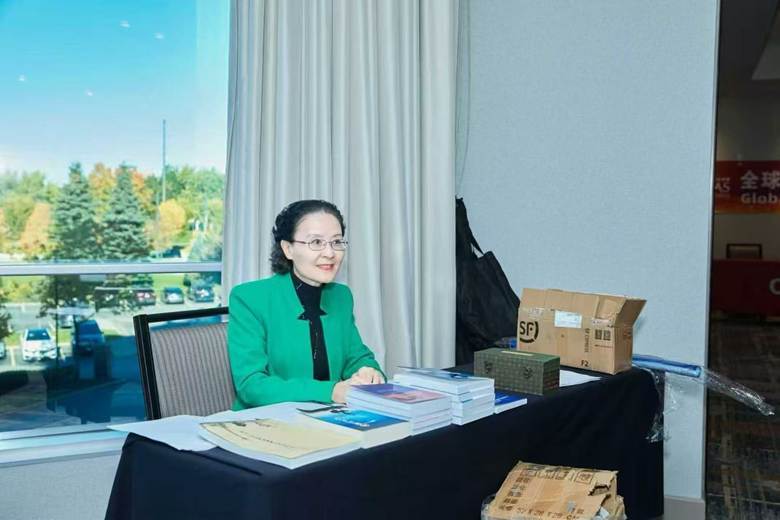
作者简介: 李燕,加拿大安省永久注册教师,加拿大安省教师协会会员。加拿大中文作家协会理事。英文翻译,图书编辑,图书作者,保险顾问,神经语言程式学执行师。总统大奖获得者。钻石大奖获得者。查尔斯三世国王奖章获得者。主编、责编、翻译、写作教育类、文学类、旅游类图书达300多种。现定居加拿大多伦多。 About the Author Yan Li is a permanently certified teacher in Ontario, Canada, and a member of the Ontario College of Teachers (OCT). She serves as a board member of the Chinese Writers Society of Canada and works as an English translator, book editor, author, insurance advisor, and Neuro-Linguistic Programming (NLP) Practitioner. She is the recipient of the President’s Award, the Diamond Award, and the King Charles III Coronation Medal in recognition of her professional achievements and community contributions. As a chief editor, managing editor, translator, and author, she has contributed to the publication of more than 300 books spanning education, literature, and travel. She currently resides in Toronto, Canada. 责任编辑:加拿大共工社 |









声明:
本文由入驻共工号平台的作者撰写,观点仅代表作者本人,不代表共工号立场。仅供读者参考,并不构成投资建议。投资者据此操作,风险自担。同时提醒网友提高风险意识,请勿私下汇款给自媒体作者,避免造成金钱损失,风险自负。如有文章和图片作品版权及其他问题,请联系本站。邮箱:zhidaoribao@gmail.com